Under The Pole IV • DEEPLIFE
A ten‑year program (2021–2030) recognized as an official project of the United Nations Decade and implemented as part of the DEEPLIFE scientific program.
UTP IV Goals and Strategic Priorities
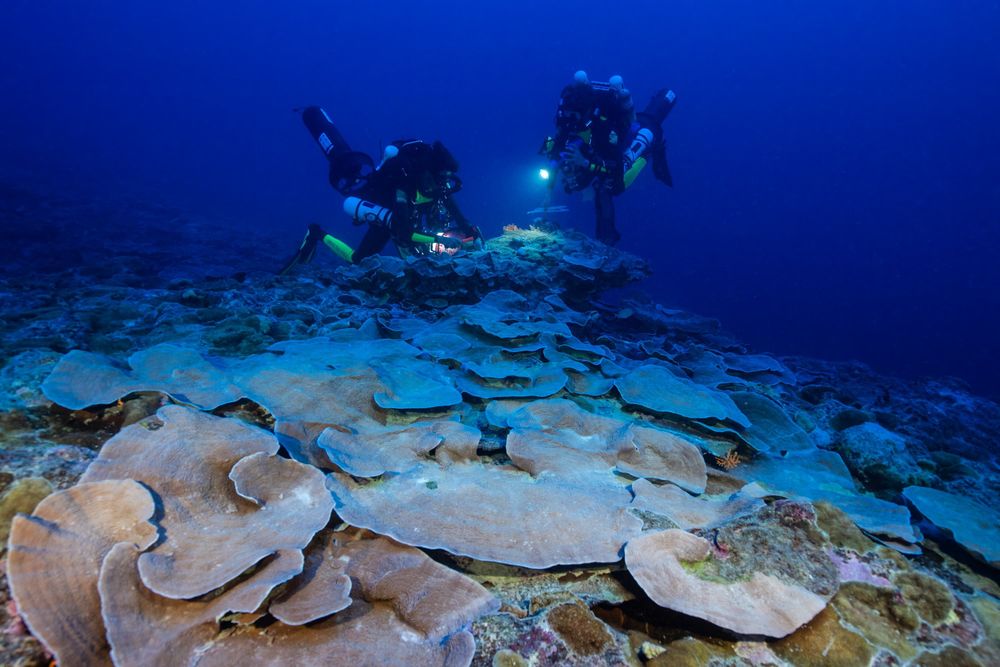
After 15 years of pioneering expeditions worldwide, Under The Pole launched the DEEPLIFE research program in collaboration with the French National Centre for Scientific Research (CNRS) and an international scientific consortium. The program focuses on the study and conservation of marine animal forests ‑ fragile ecosystems found in the mesophotic zone (30–200 m) that have remained largely unexplored and understudied until now.
This ambitious ten‑year international research initiative is part of the United Nations Decade of Ocean Science for Sustainable Development (2021–2030). It aligns with the core ambitions of the UN framework : fostering scientific synergies, strengthening public awareness and enhancing an effective science‑policy interface. Its ultimate goal is to enable reinforced coordinated action in support of the Ocean.
Discover our web documentary in the Canary Islands, on marine animal forests in the Mediterranean :
« We aim to understand how human activities affect marine animal forests in order to prevent disturbance and ecosystem collapse. »
Why researching marine animal forests is vital for the resilience of our Oceans
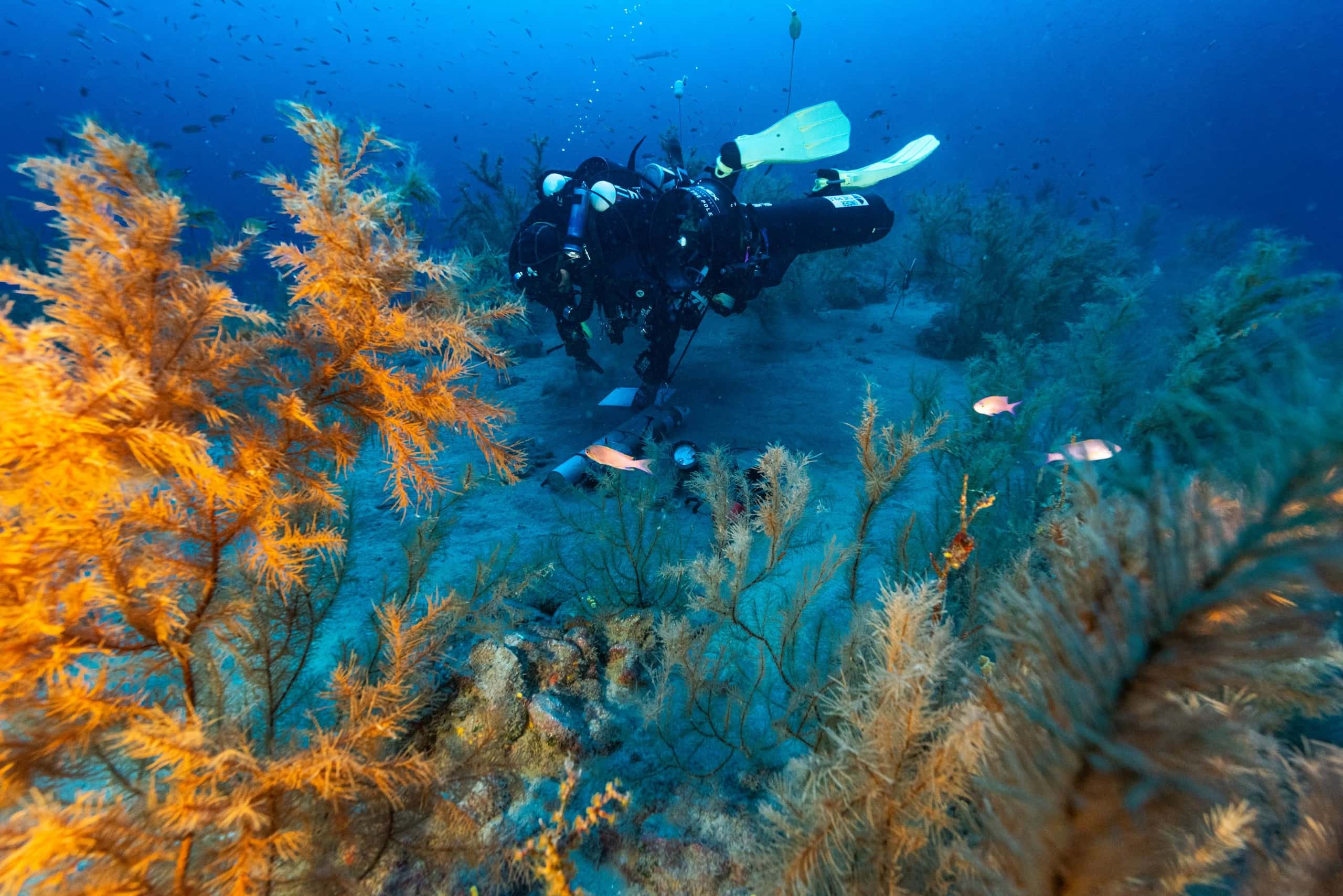
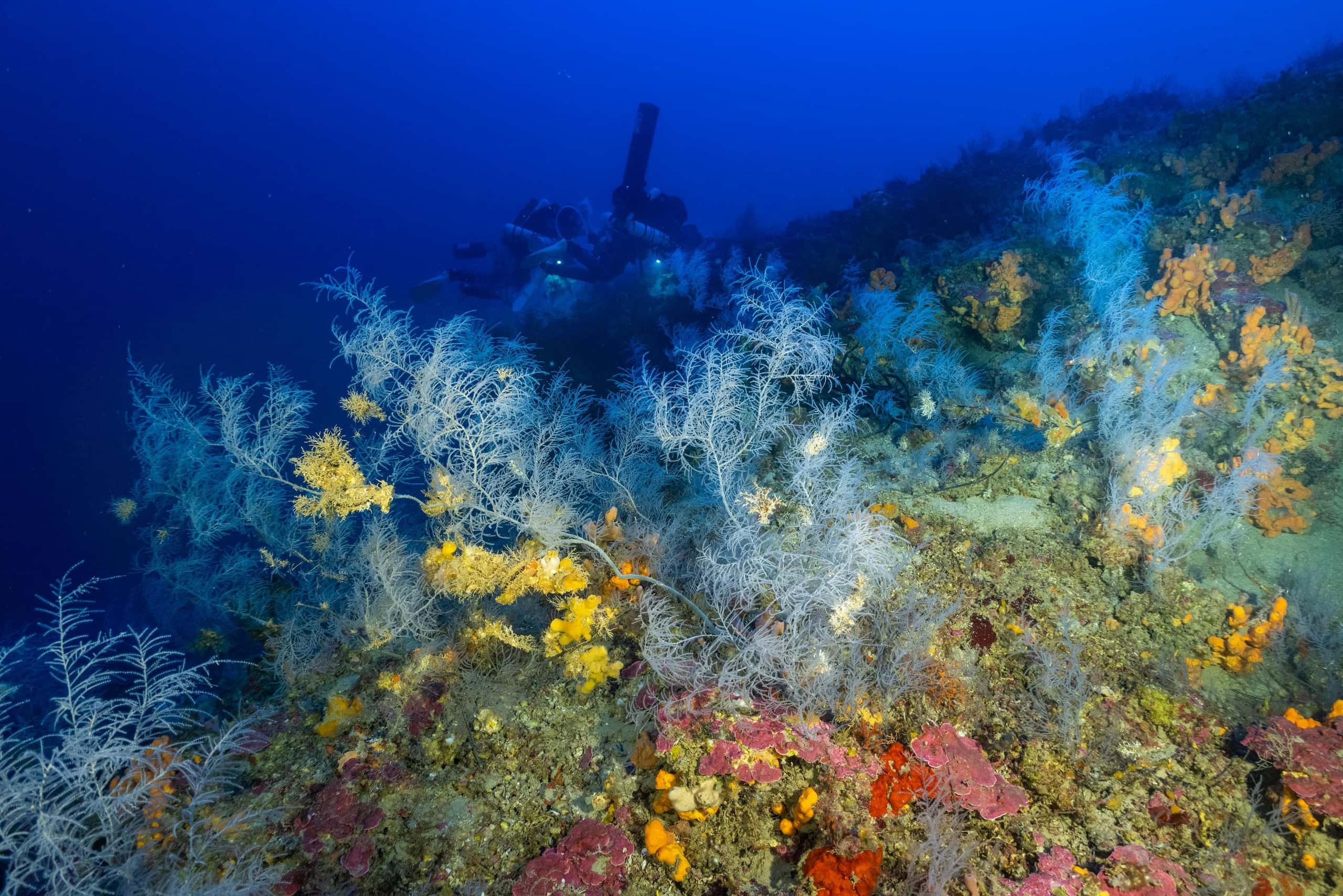
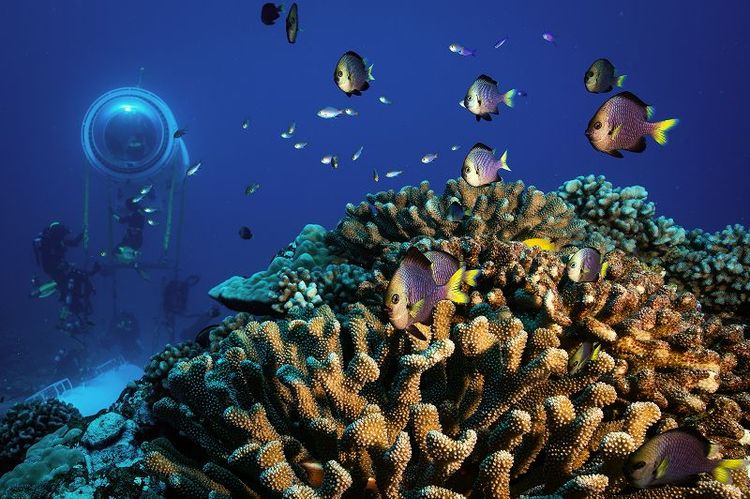
Marine animal forests are among the most exceptional marine ecosystems in terms of biodiversity ‑ some of the richest and most diverse on the planet. They form large complex habitats that function similarly to terrestrial forests, with one key difference : they are dominated by marine animals such as corals, gorgonians and sponges, rather than plants.
These forests reshape the seascape and stabilise the local microclimate (for instance temperature and pH), creating biodiversity hotspots that host species of major ecological and economic importance, as well as refuges for vulnerable species. Because they are composed of animals, they are not constrained by the lack of light required for plant photosynthesis.
As a result, marine animal forests reach their full development in the mesophotic zone (30–200 m), where conditions are optimal for their growth. At the scale of the global ocean, the ecosystems harbored by these marine animal forests could prove as essential to biodiversity conservation as equatorial rainforests are on land.
Yet research on these ecosystems is extremely recent and has long remained limited to surface waters. Only very recently have marine animal forests been recognised as vulnerable marine habitats by the International Union for Conservation of Nature (IUCN). This is precisely the purpose of Under The Pole IV and DEEPLIFE : to collect the research data needed to better protect these fragile and threatened habitats.
Deep diving to advance research in mesophotic ecosystems
Diving in the mesophotic zone requires rare expertise and advanced technical capabilities.
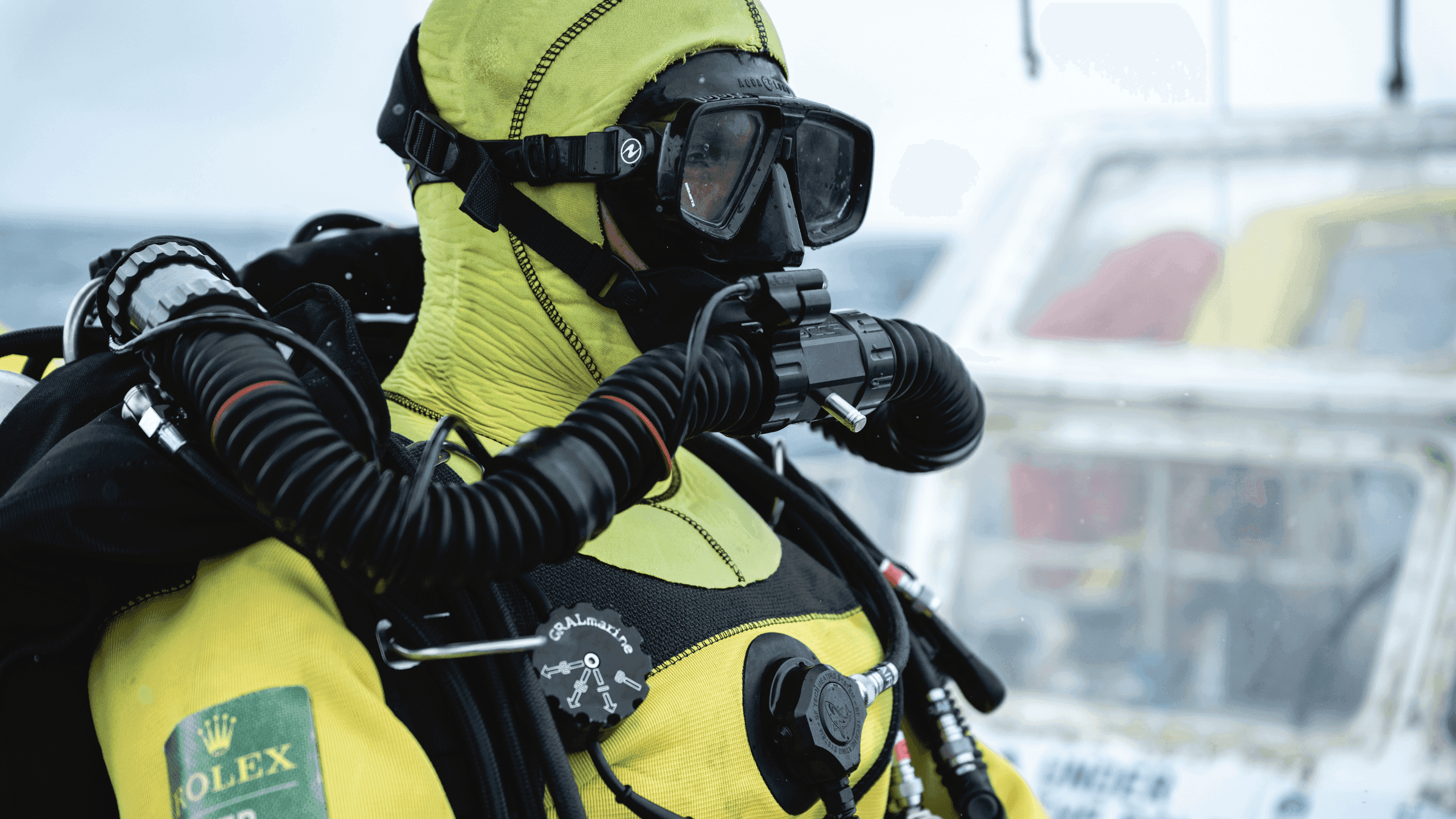
Beyond 60 metres, conventional diving techniques are no longer sufficient. Therefore, Under The Pole employs pioneering deep‑diving techniques to conduct research expeditions in the mesophotic zone.
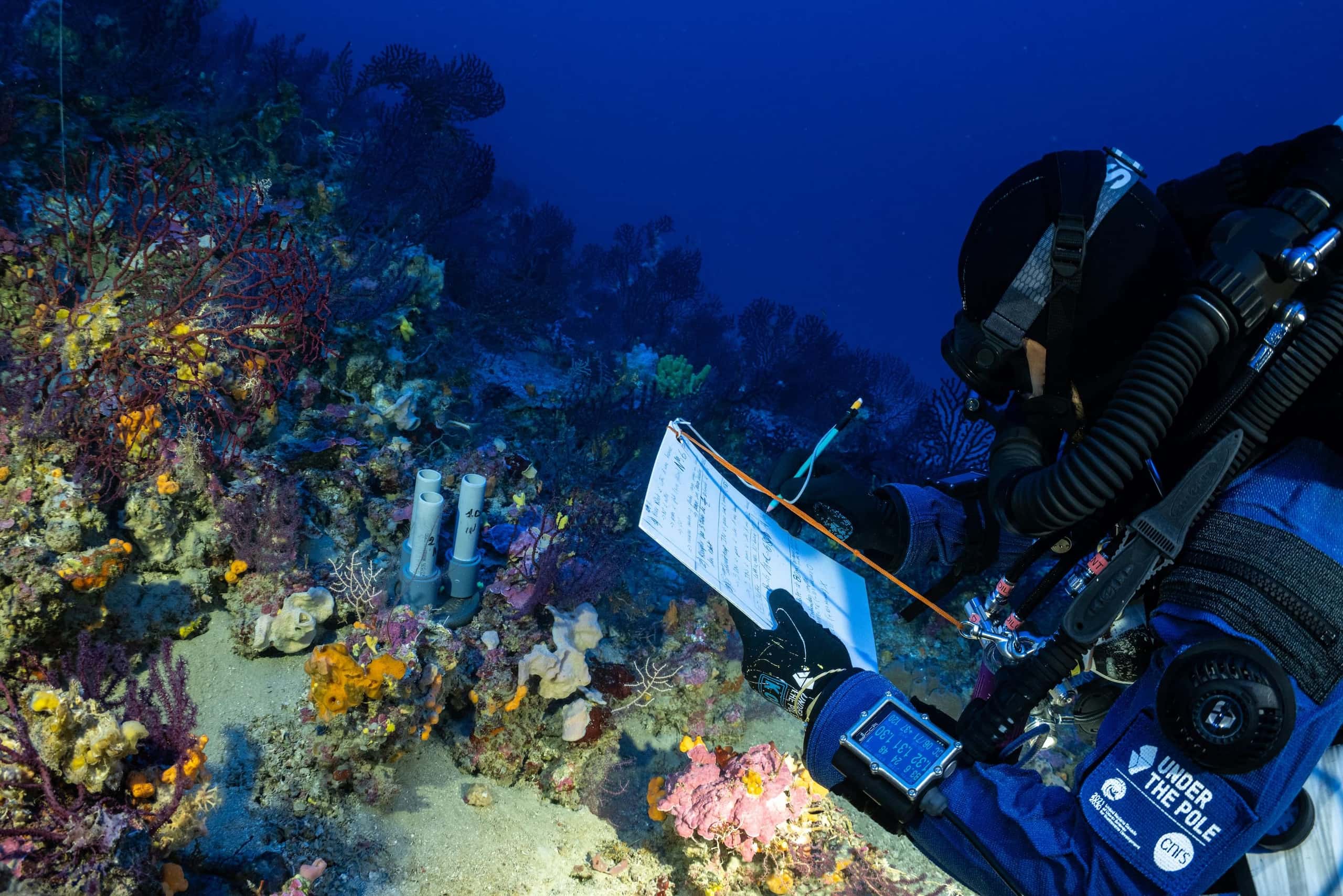
Diver‑led interventions enable precise sampling and an unparalleled ability to adapt to environmental conditions. The divers' sensory awareness, fine motor control and analytical capacity make them essential for observing and deepening scientific knowledge of Oceans' ecosystems.
Divers use underwater scooters and closed‑circuit rebreathers, allowing them to dive deeper and for longer time periods. Silent and bubble‑free, rebreathers enable divers to approach typically skittish marine fauna and research them closely, to collect invaluable scientific data for the DEEPLIFE program and the scientific community.
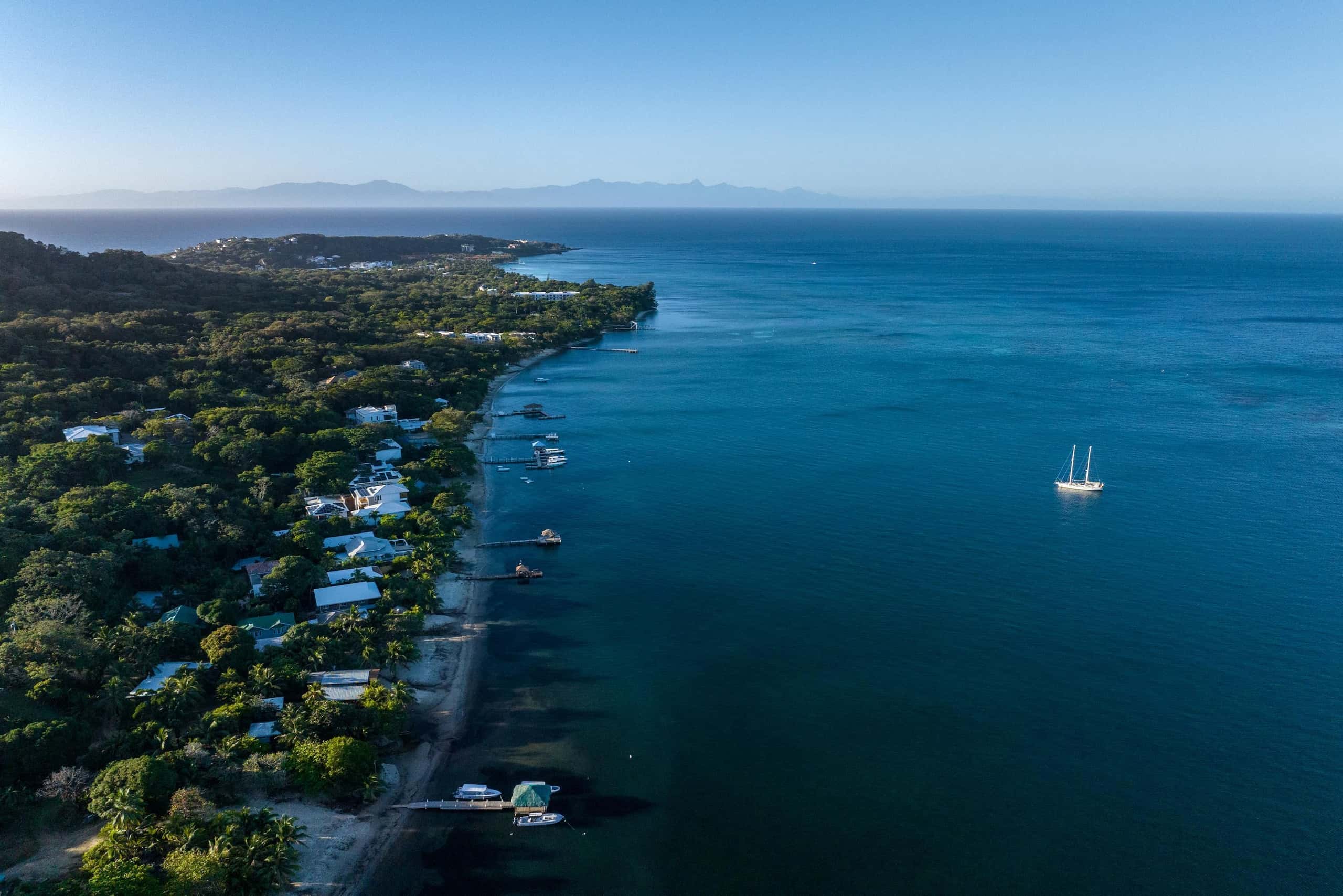
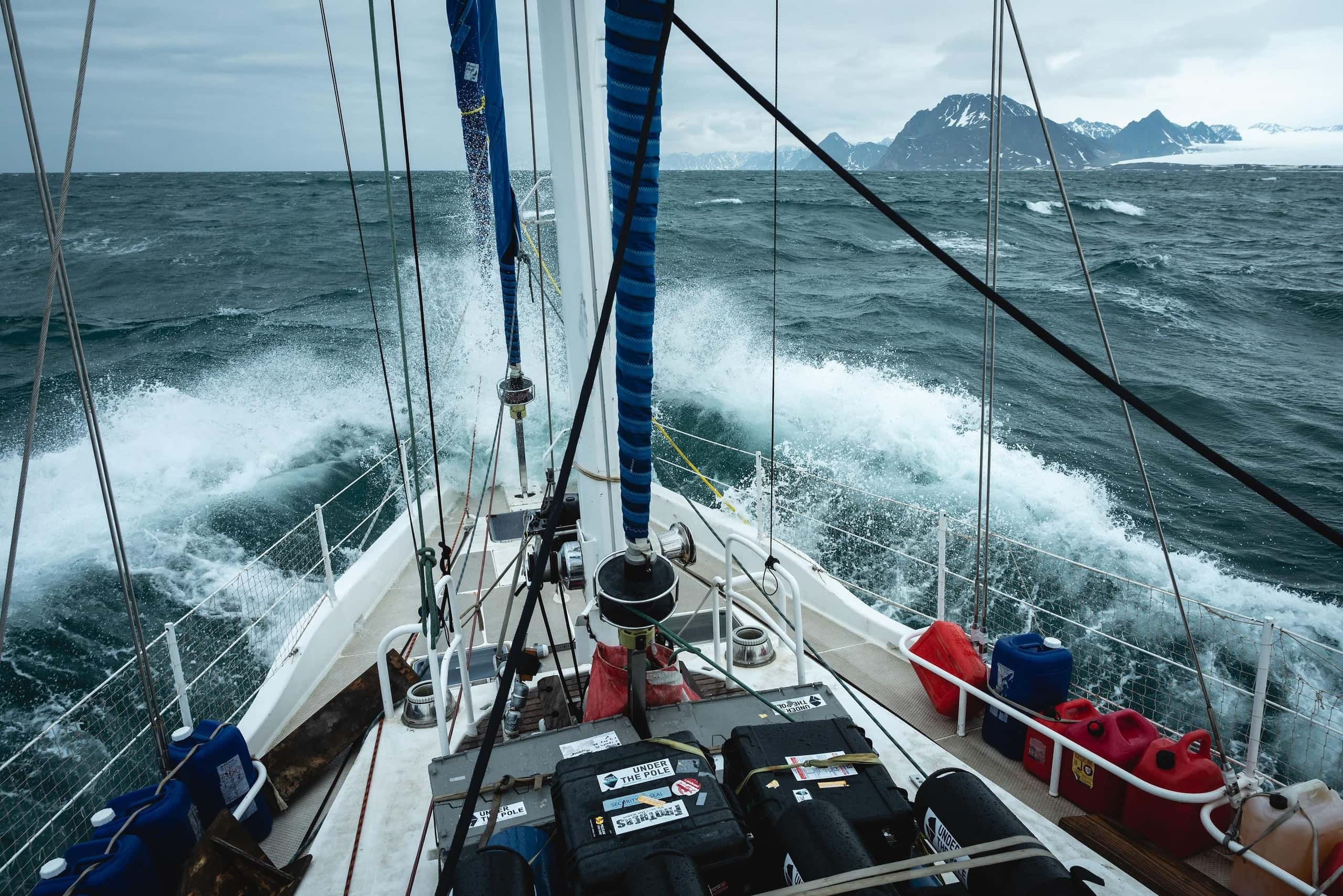
Under The Pole IV in pictures
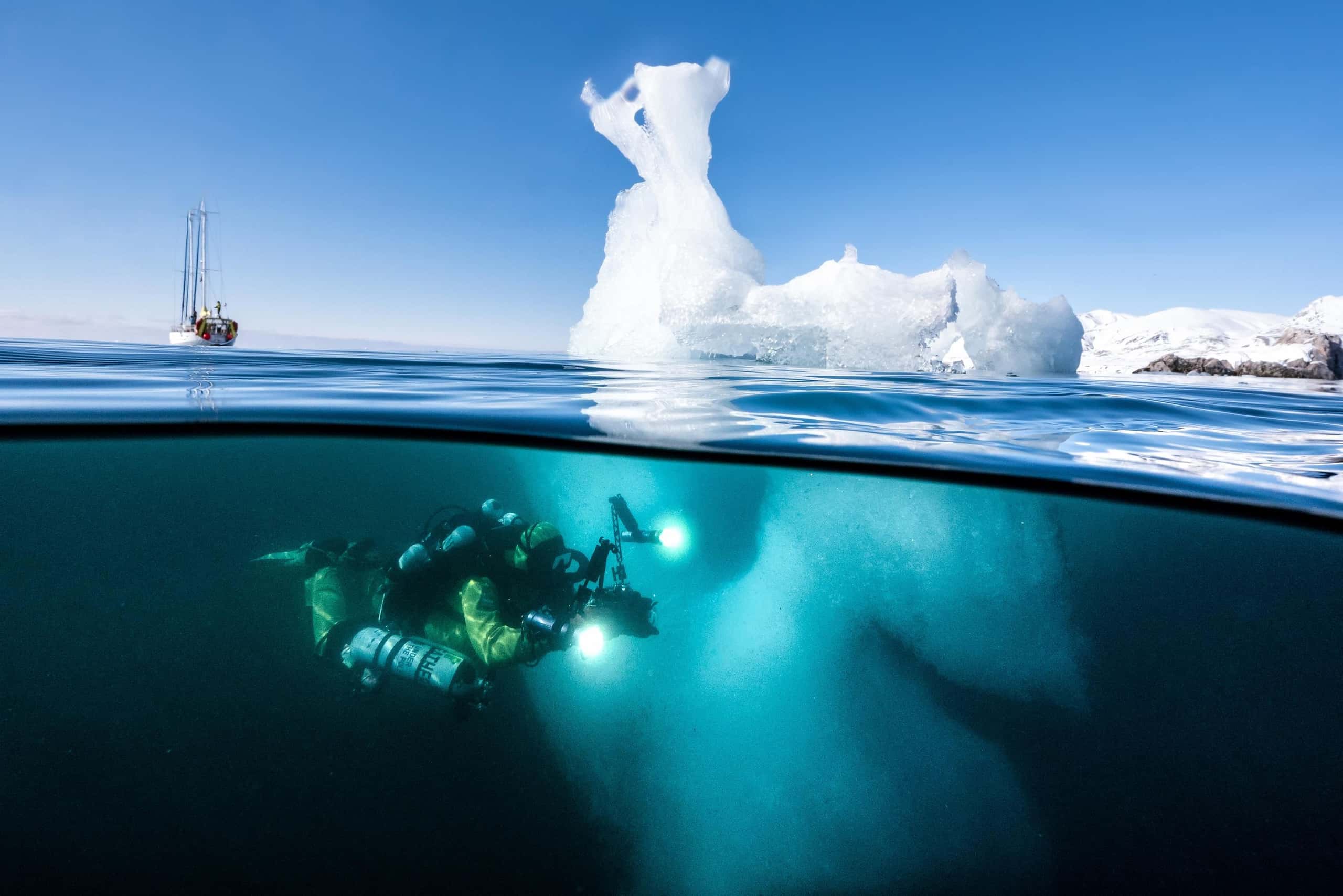
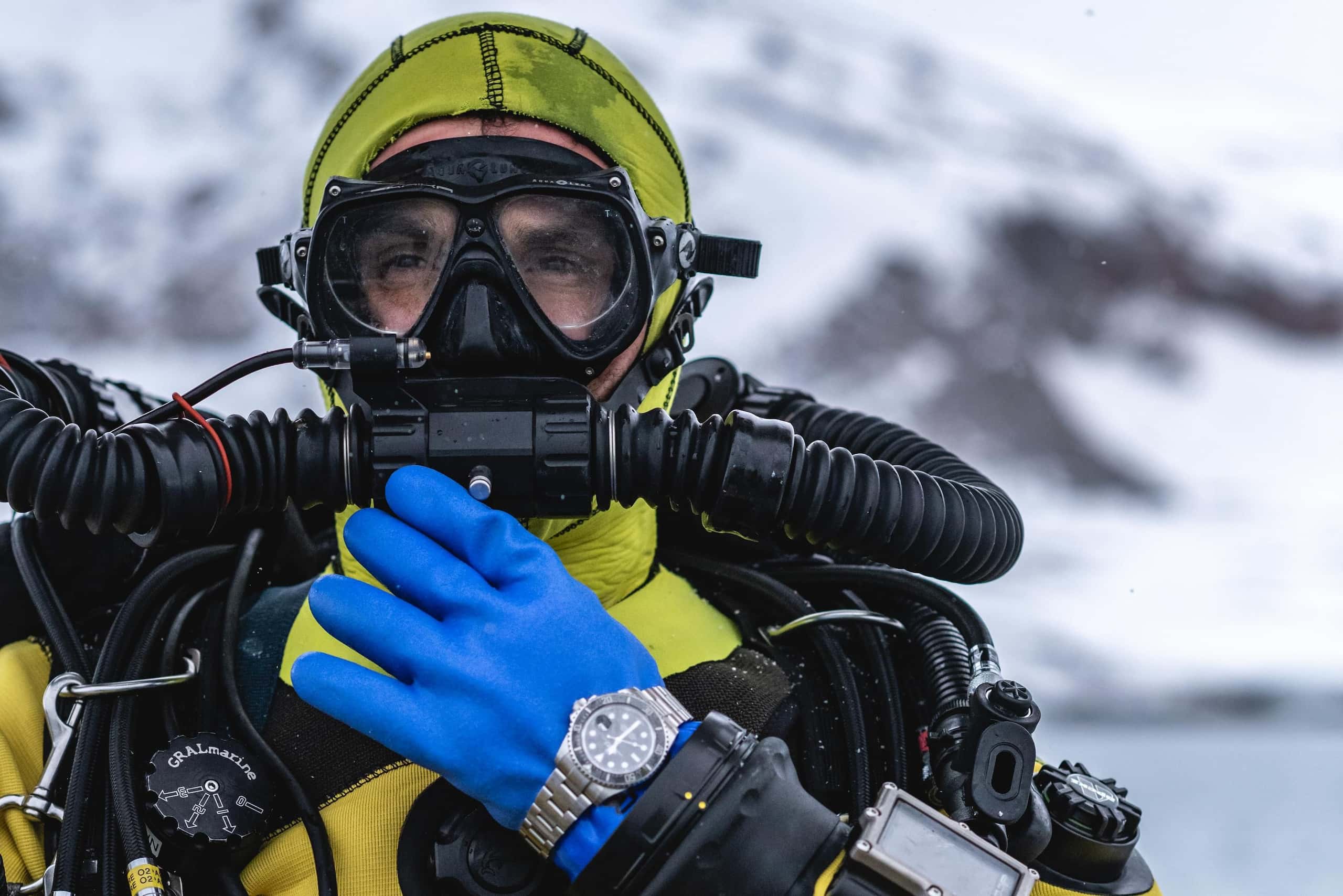
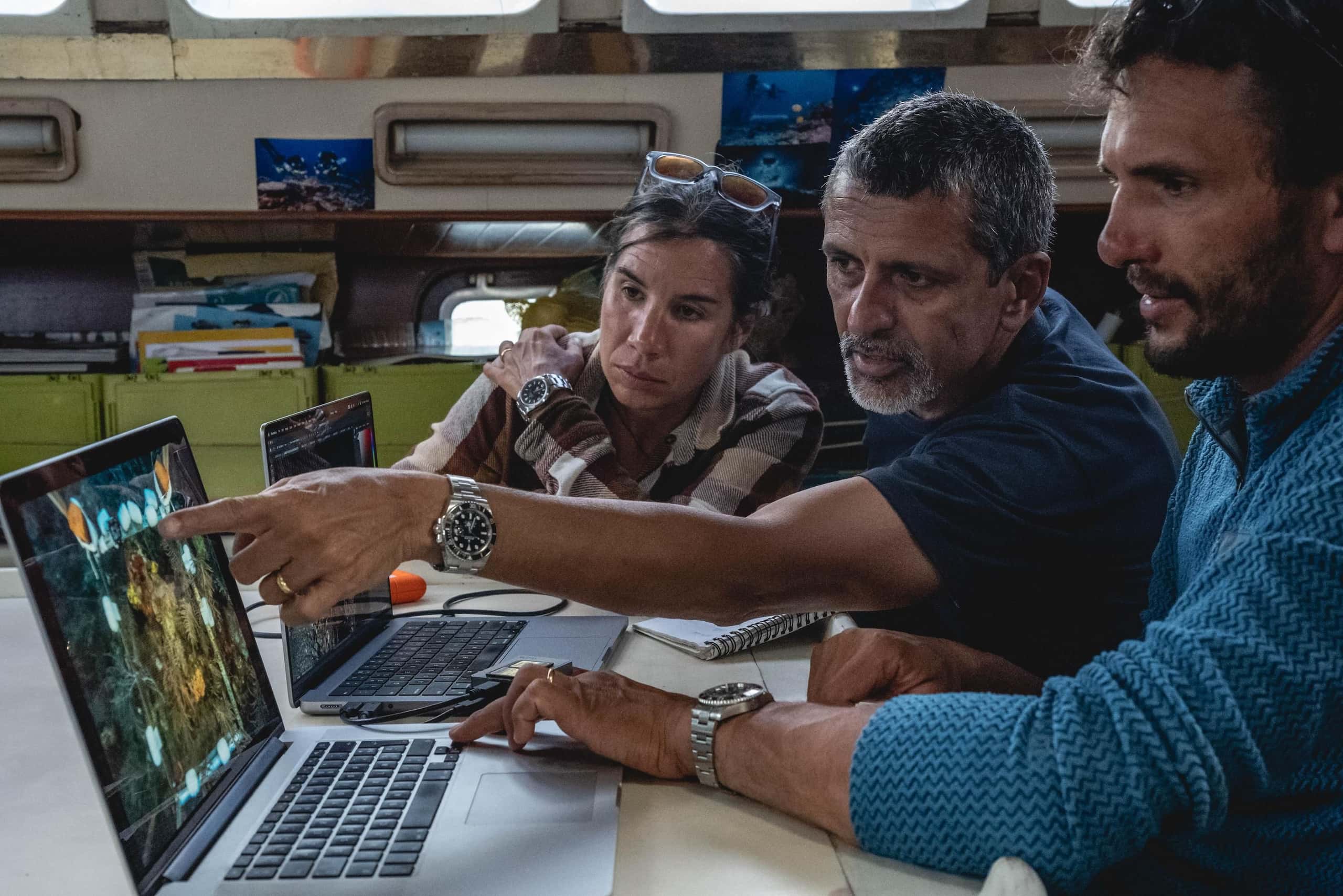
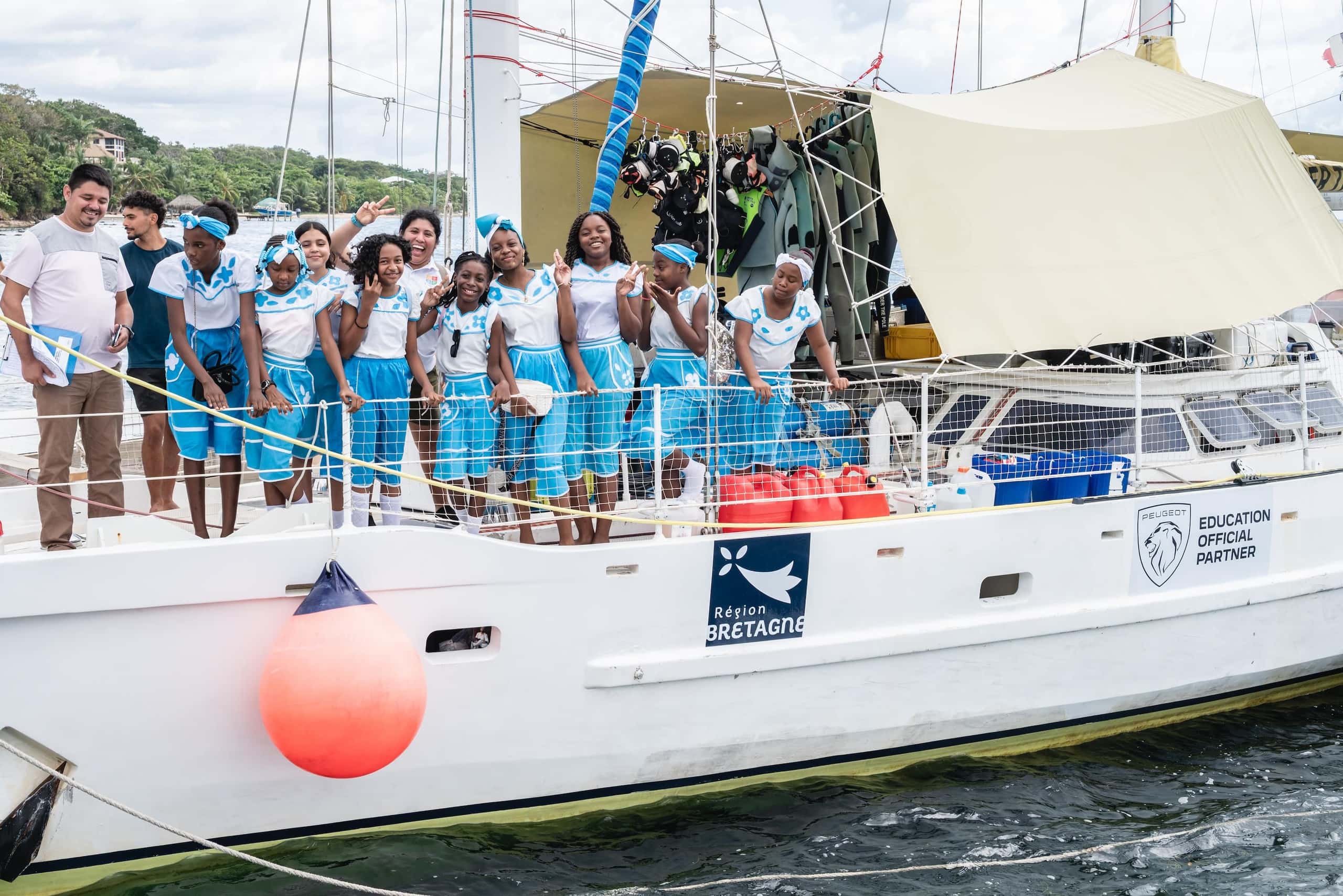
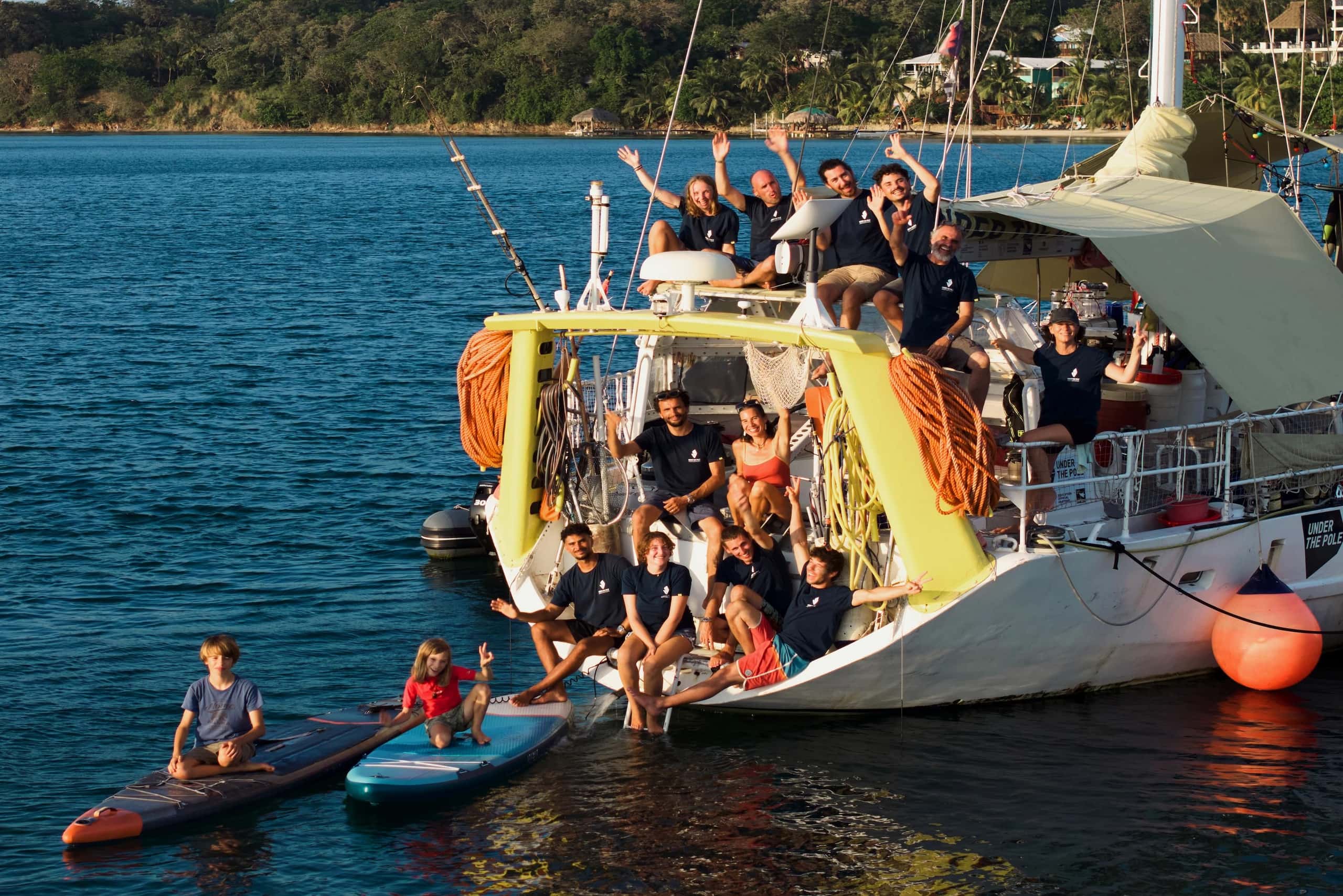
Under The Pole IV Key Accomplishments
Advocacy
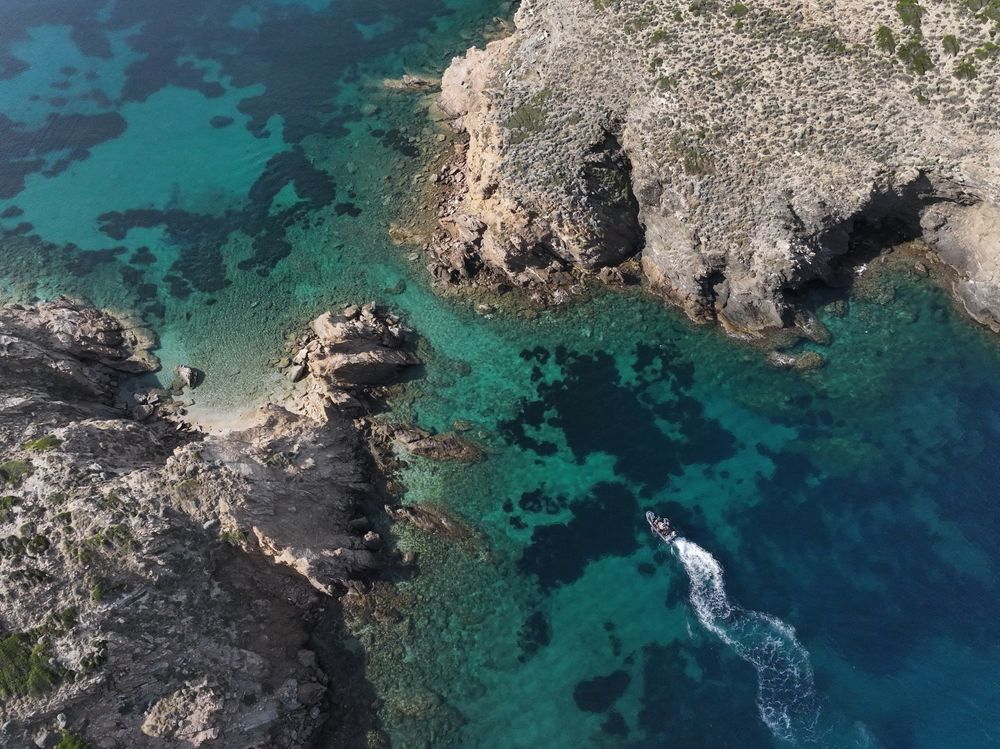
450 km² of coralligenous habitats in Greece’s Fourni archipelago protected thanks to a joint collaboration with Under The Pole, Archipelagos NGO, activist Camille Étienne and the local community.
Science
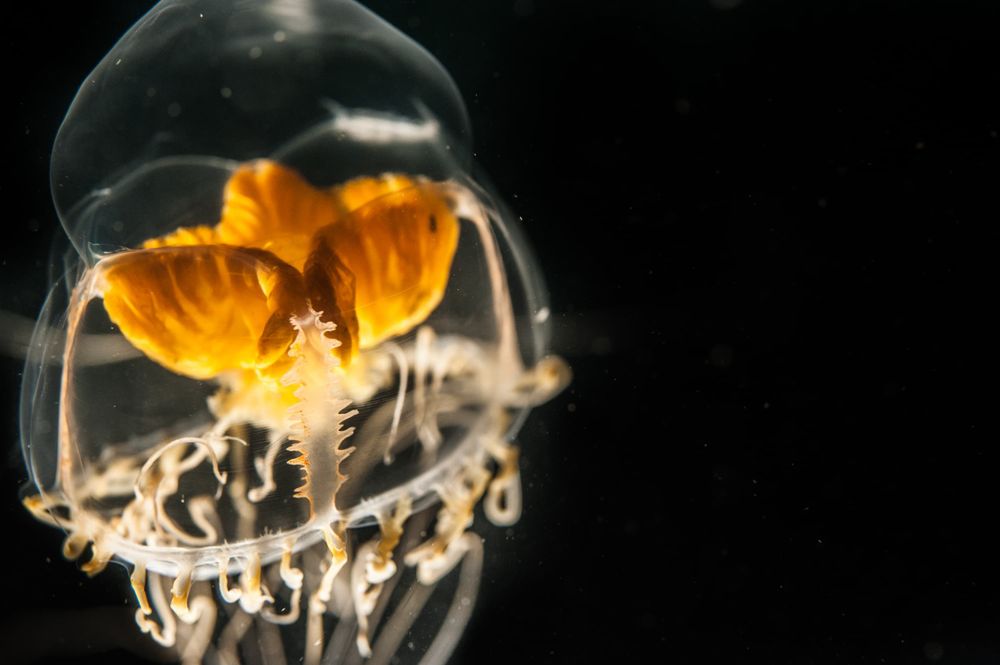
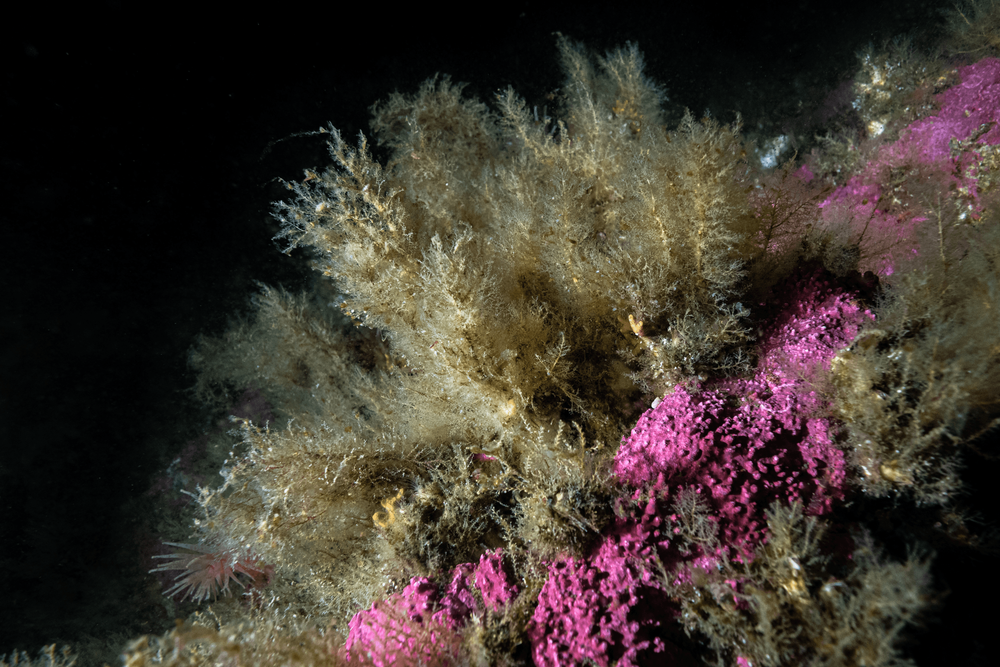
For the first time, during the expedition to Svalbard, a forest of hydroids was discovered. Located at depths between 50 and 80 meters, it constitutes, to our knowledge, the first studied Arctic marine animal forest.
Documentary
CNN International covered our expedition programme in the Mediterranean, in search of an unknown oasis. A compelling documentary aired on their channel.
The international research consortium
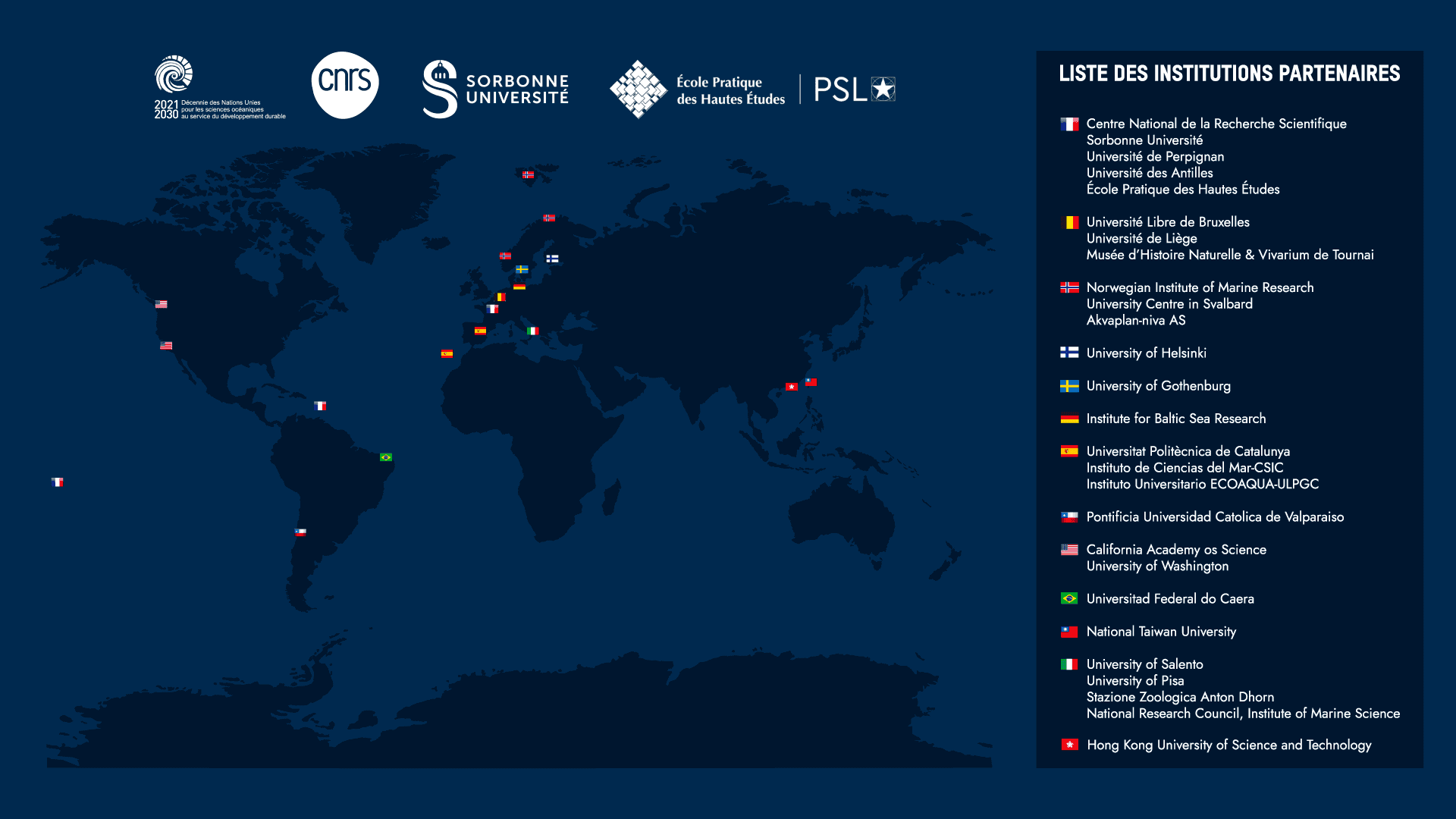
Today, the DEEPLIFE scientific consortium brings together 42 scientists from institutions spanning 11 countries :
Michel ANDRÉ⎪Universitat Politècnica de Catalunya⎪Spain
Émilie BOISSIN⎪UPVD⎪France
Isabelle BONNARD⎪UPVD⎪France
Joachim CLAUDET⎪CNRS⎪France
Camille CLERISSI⎪EPHE⎪France
Steeve COMEAU⎪CNRS⎪France
Bruno DANIS⎪Université Libre de Bruxelles⎪Belgique
Vianney DENIS⎪National Taiwan University⎪Taiwan
Lucia DI ORIO⎪UPVD⎪ France
Charlotte DROMARD⎪Université des Antilles⎪France
Philippe DUBOIS⎪Université Libre de Bruxelles⎪Belgique
Sam DUPONT⎪University of Gothenburg⎪Sweden
Peter FELDENS⎪Leibniz Institute for Baltic Sea Research Warnemuende⎪Germany
Giulia FURFARO⎪University of Salento⎪Italy
Katell GUIZIEN⎪CNRS⎪France
Bruno HESSE⎪CNRS⎪France
Juliette JACQUEMONT⎪University of California⎪USA
Nadine LE BRIS⎪Sorbonne Université⎪France
Giacomo MILISENDA⎪Stazione Zoologica AntonDohrn⎪Italy
Sandra NAVARRO‑MAYORAL⎪ULPGC⎪Spain
Francisco OTERO FERRER⎪ULPGC⎪Spain
Valeriano PARRAVICINI⎪EPHE⎪France
Serge PLANES⎪CNRS⎪Polynésie Française
Luiz ROCHA⎪California Academy of Sciences⎪USA
Cristina ROMERA CASTILLO⎪Instituto de Ciencias del Mar‑CSIC⎪Spain
Sergio ROSSI⎪Università del Salento⎪Italia
Giovanni STRONA⎪Università of Helsinki⎪Finland
Nathalie TAPISSIER‑BONTEMPS⎪UPVD⎪France
Gonzalo PÉREZ‑ROSALES⎪HKUST⎪Hong Kong