Under the Pole II
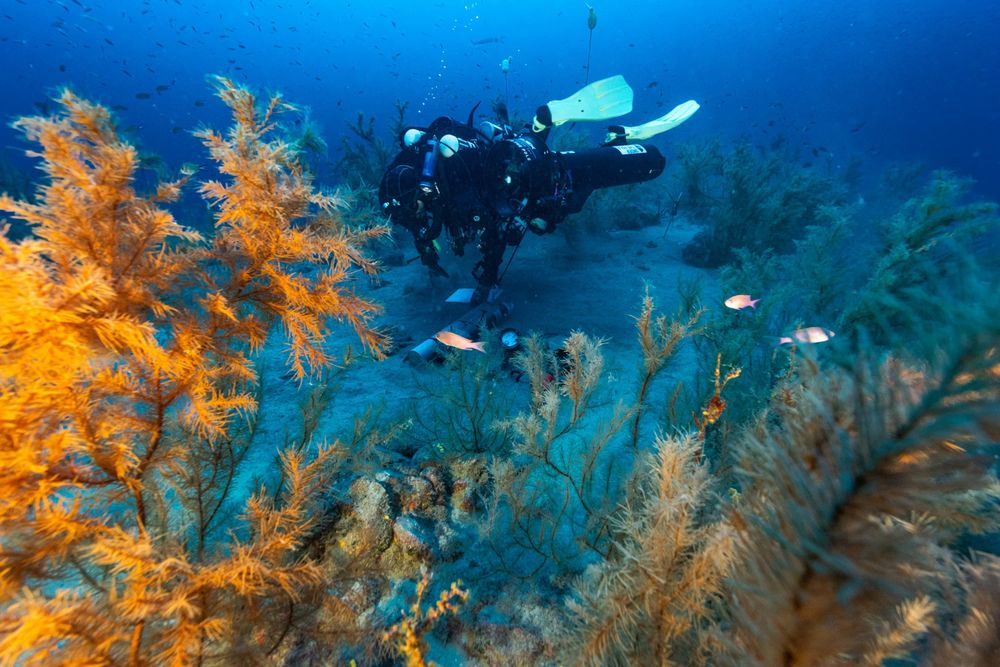
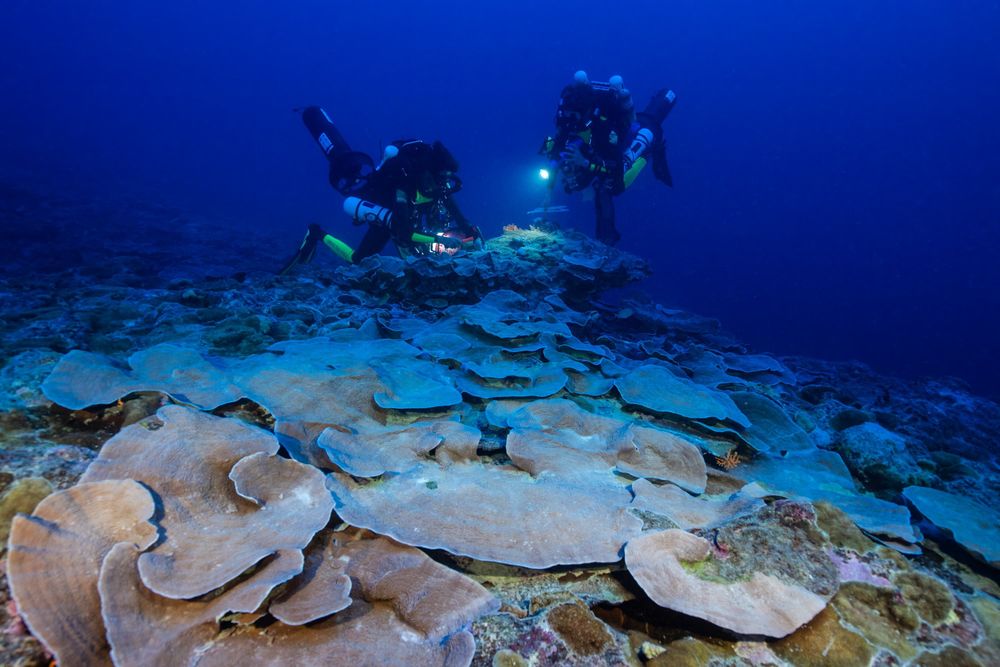
An expedition north of the Arctic Circle to investigate the underwater environment from the surface down to 150 meters.
UTP II Key Objectives
Under The Pole II was developed as a continuation of Under The Pole I. While the first expedition focused on the ice at the heart of the Arctic Ocean, Under The Pole II explored the remote coastal environments of northern Greenland over nearly two seasonal cycles, with the aim to better understand the frozen worlds north of the Arctic Circle and their role in the climate system.
The deep‑diving program implemented for this expedition had one primary goal which was to reach, for the very first time, depths of 150 meters in the polar region.
Watch the expedition’s arrival in Greenland
An in‑depth study of Arctic ice
Ice lies at the heart of how the Arctic ecosystem functions and plays a major role in regulating our global climate. Examining its dynamics by measuring its thickness, temperature and the elements it contains, has enabled scientists to better understand its role and the exchanges between the Ocean and the atmosphere.
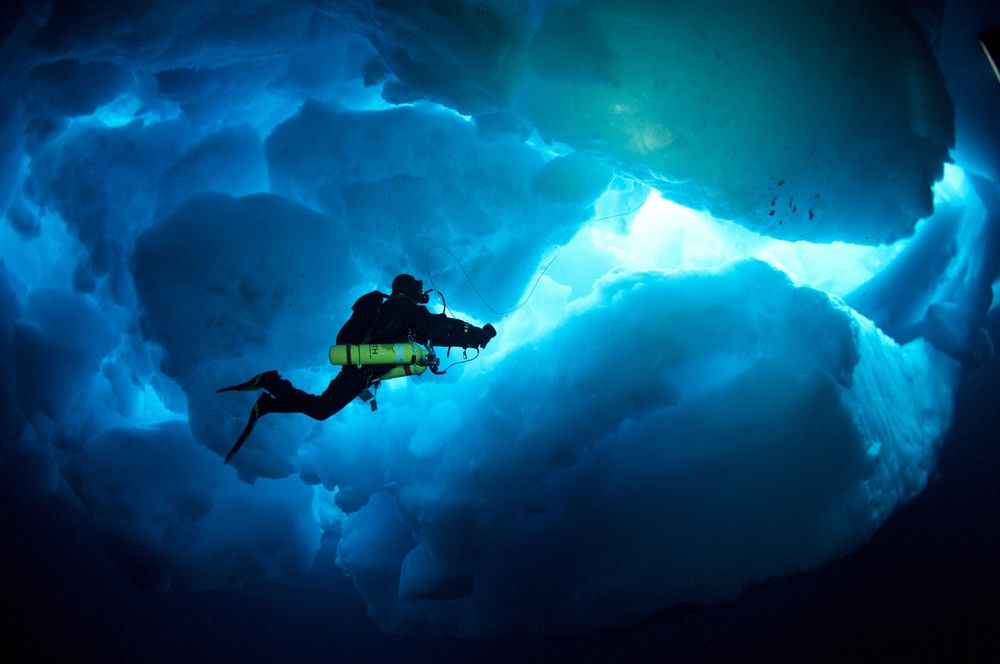
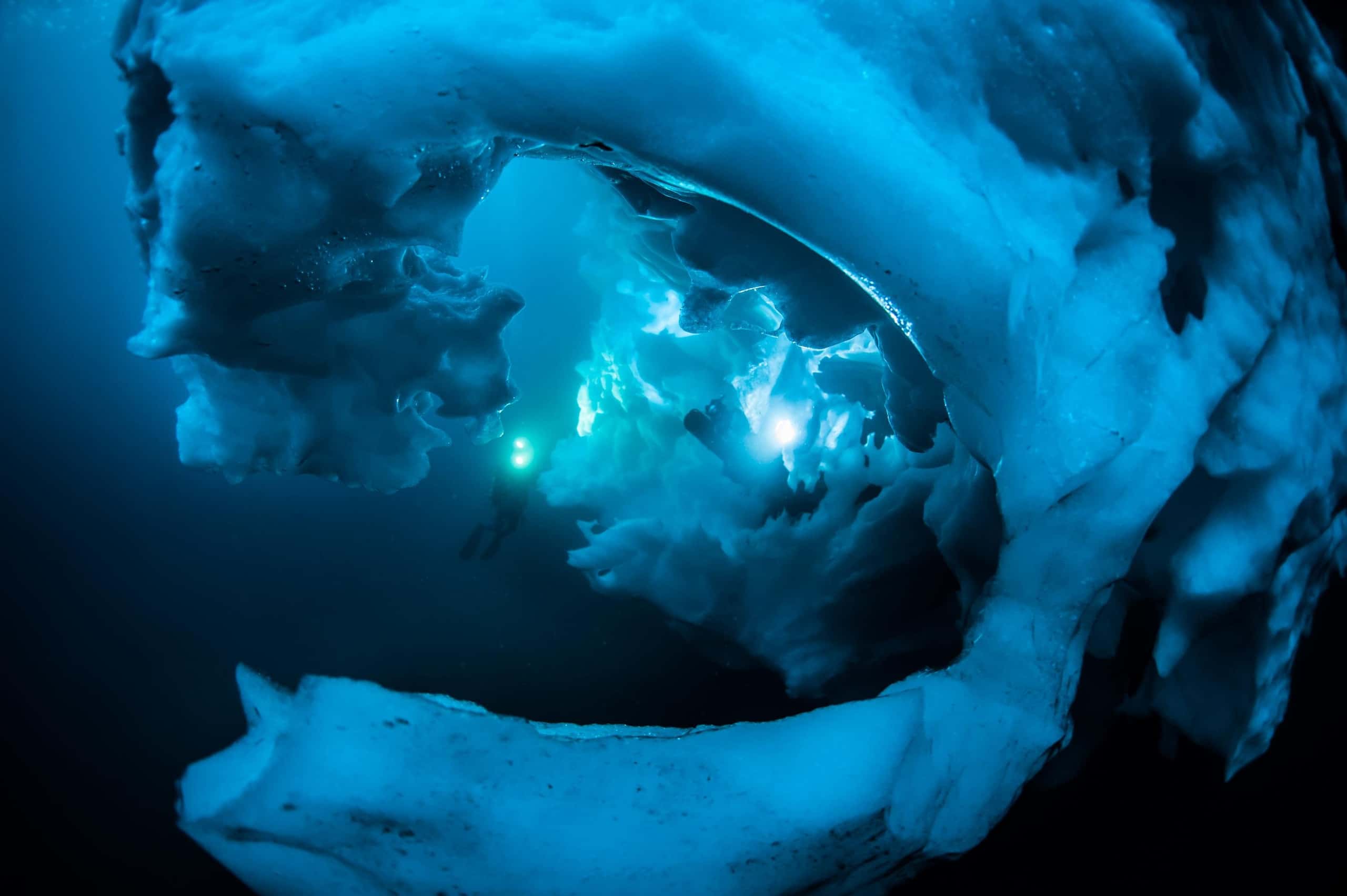
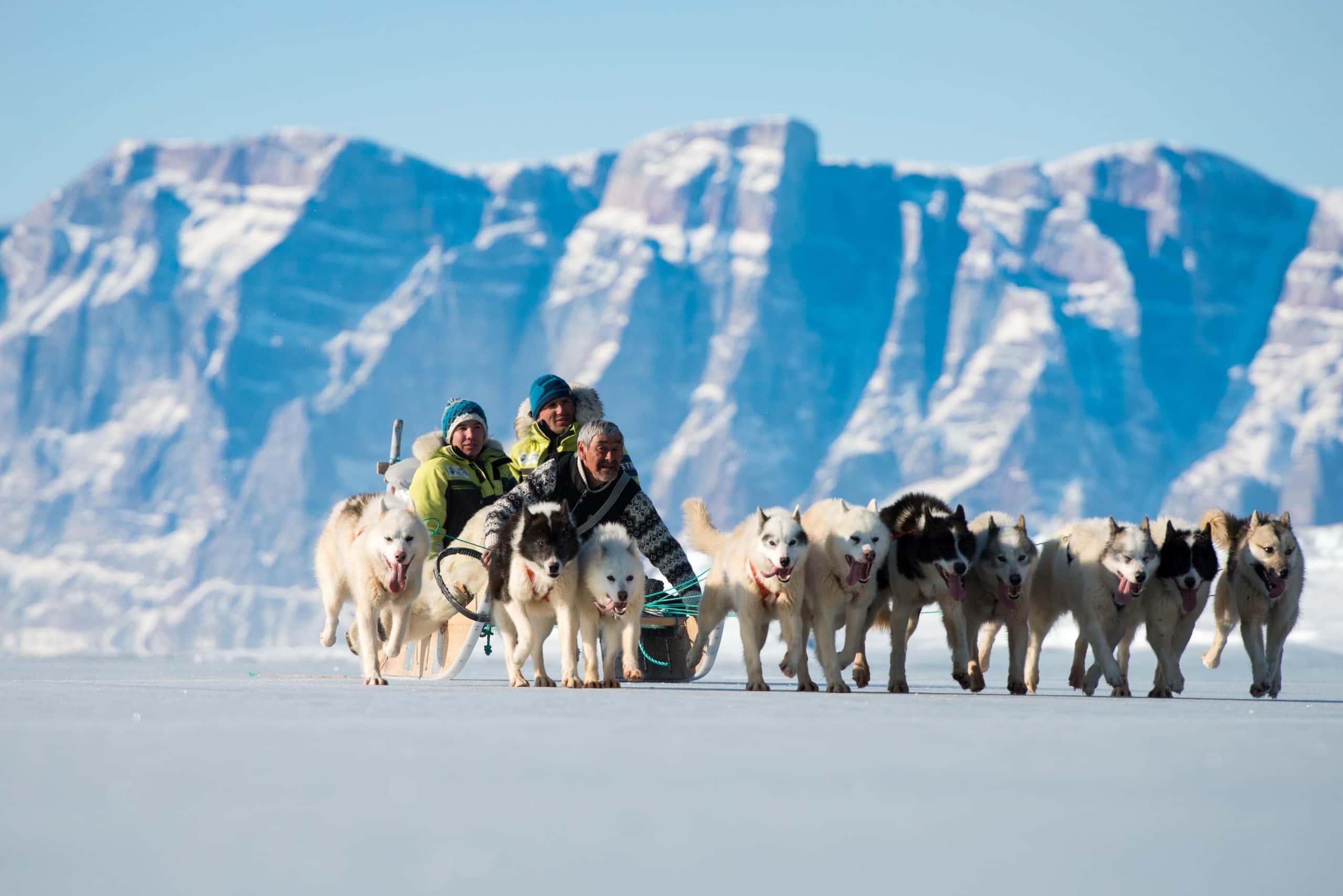
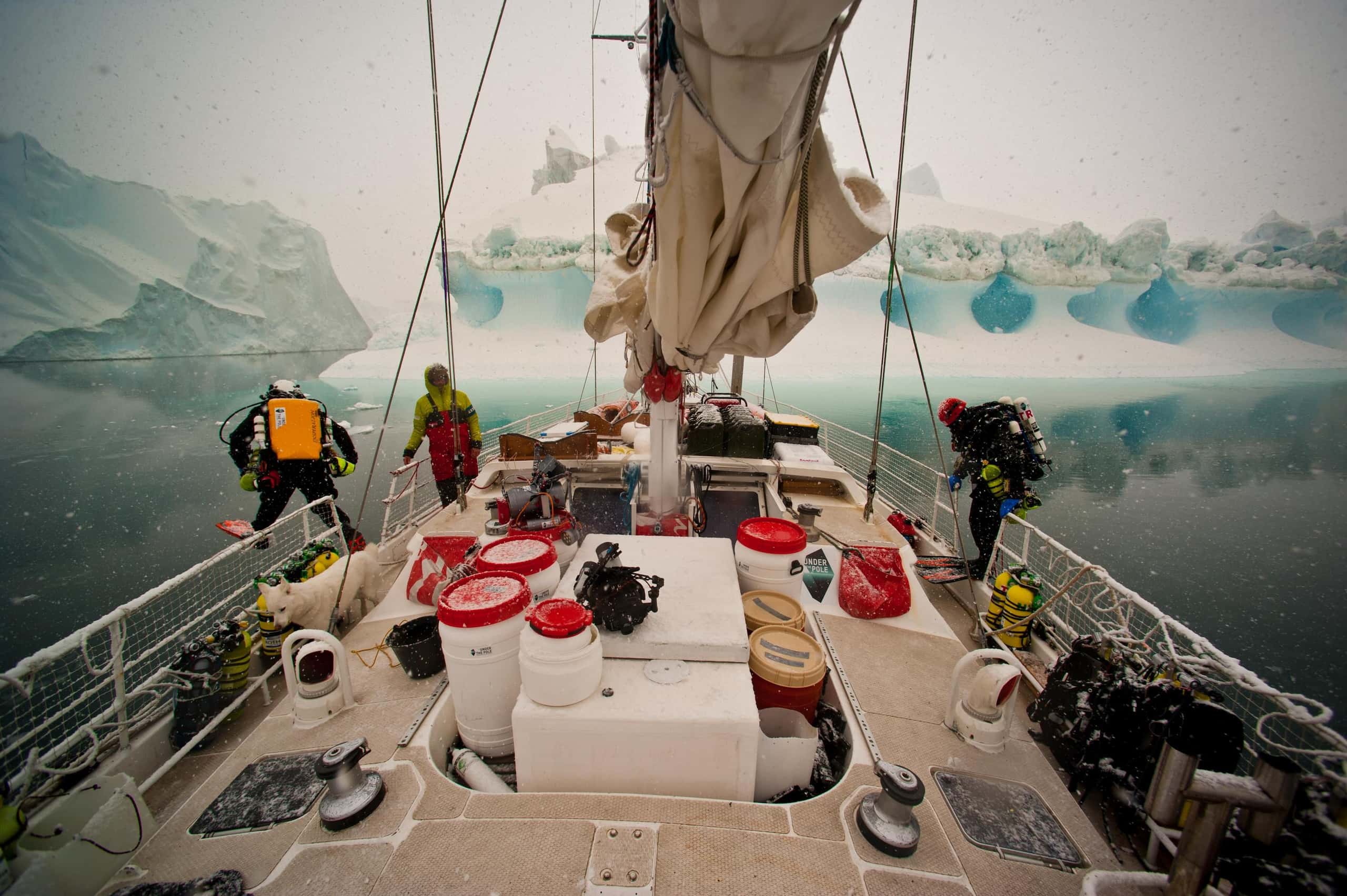
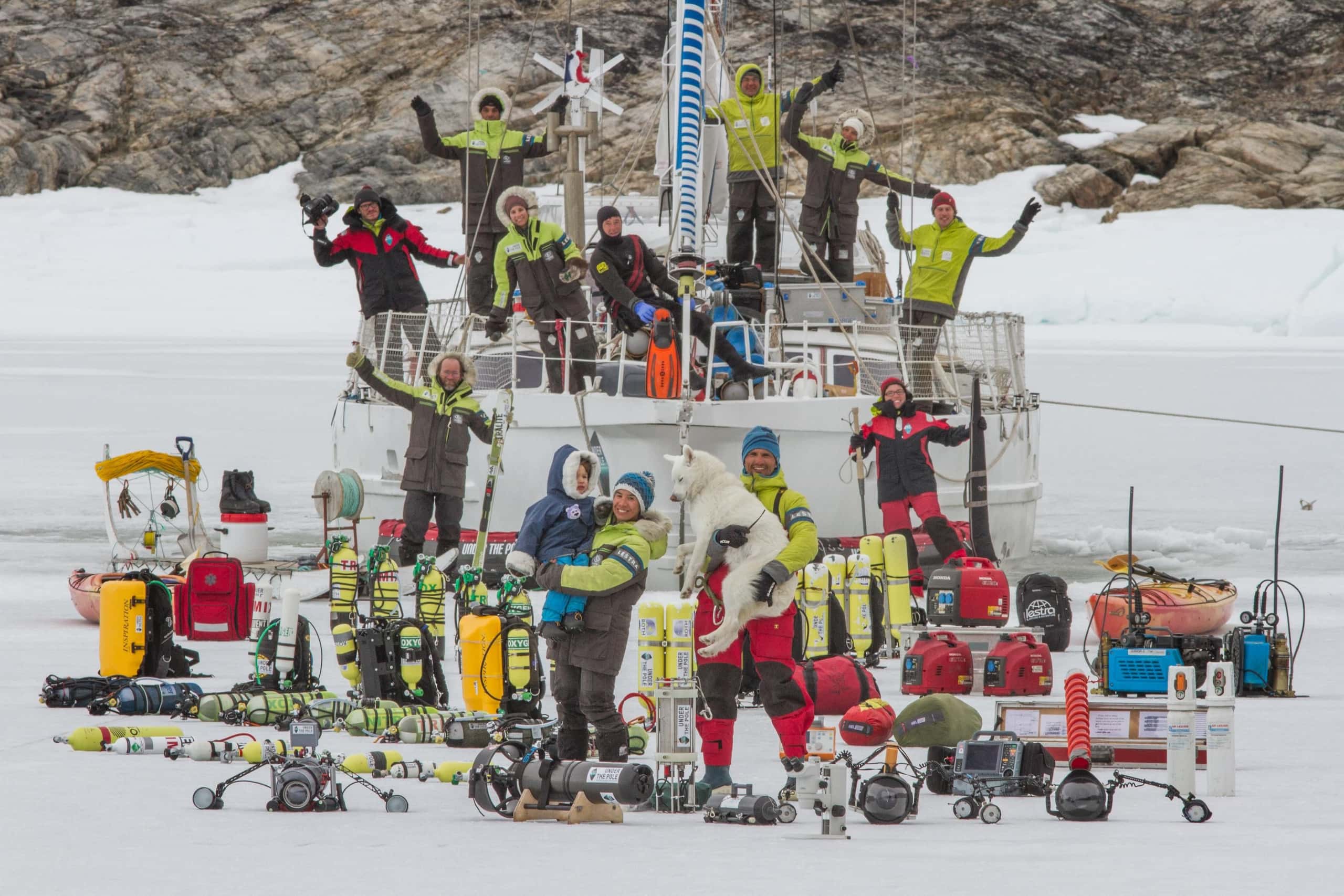
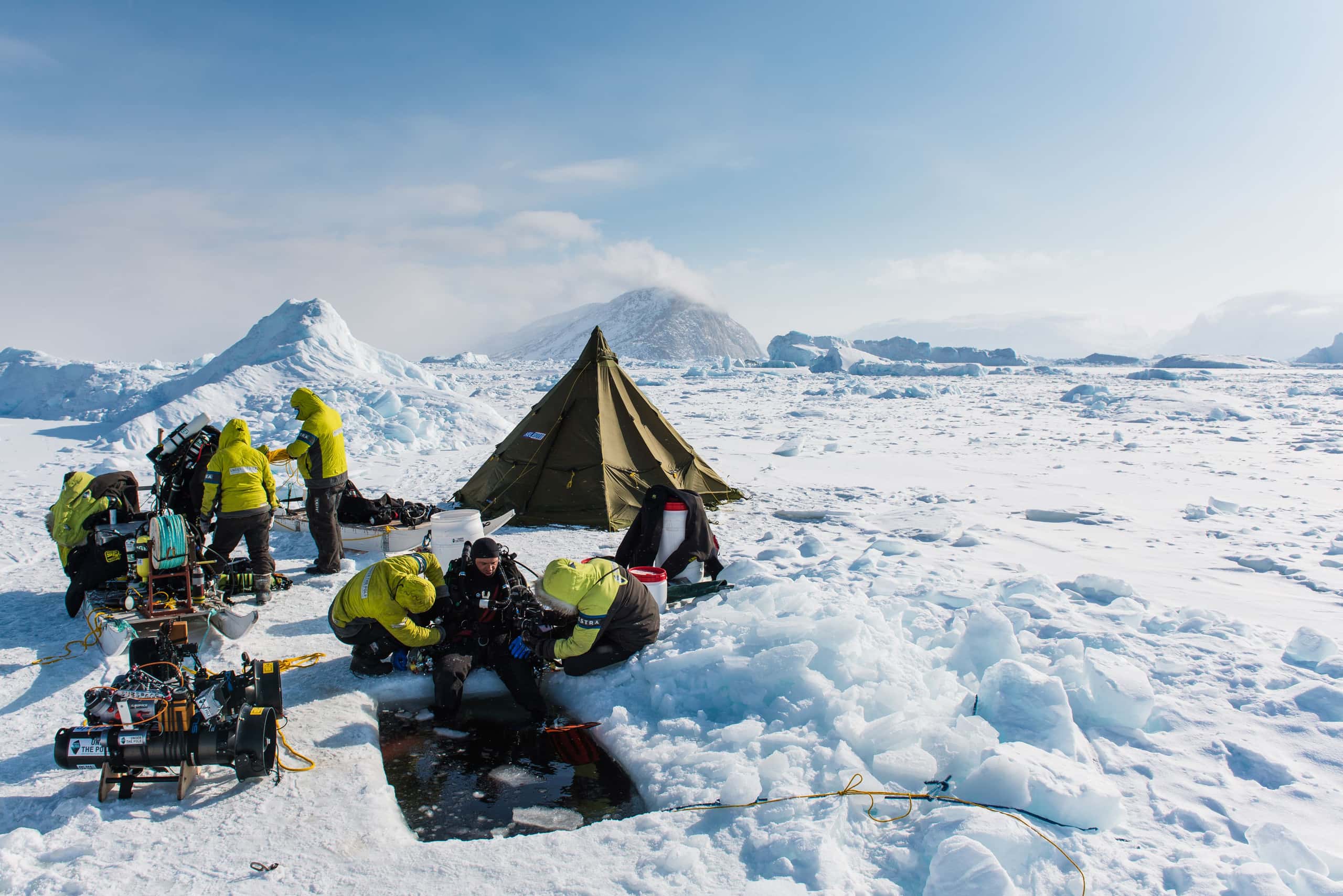
Over the course of 21 months, the deep‑diving program explored coastal sea ice, giant icebergs, glacier fronts, frozen fjords and the continental shelf. The teams dived from the surface down to the maximum depths accessible with rebreathers, encountering whales, ringed seals and polar bears along the way. They spent the winter in the Nares Strait before setting off again in spring with Inuit guides and their dog sleds, circling the northern coast of Greenland to explore the uncharted depths of these remote polar lands.
The expedition's scientific program :
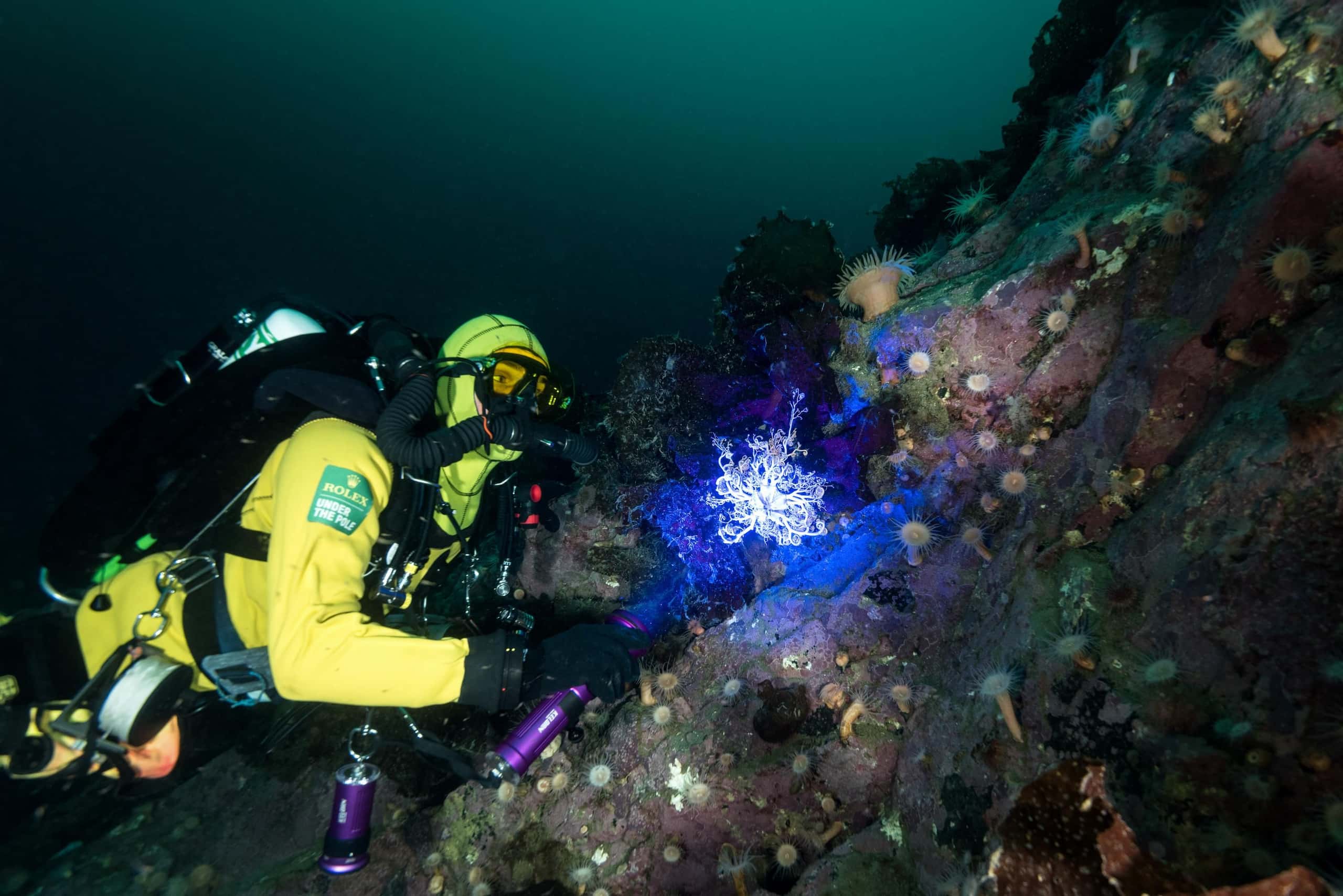
The Arctic hosts some of the richest marine ecosystems on the planet. Dives between 100 and 130 meters enabled an extensive scientific program built around close collaboration between divers and researchers, which focused on three major themes :
‑ The cryosphere and atmosphere ‑ sea ice ‑ ocean interactions, measuring parameters such as ice thickness and temperature to understand ice dynamics.
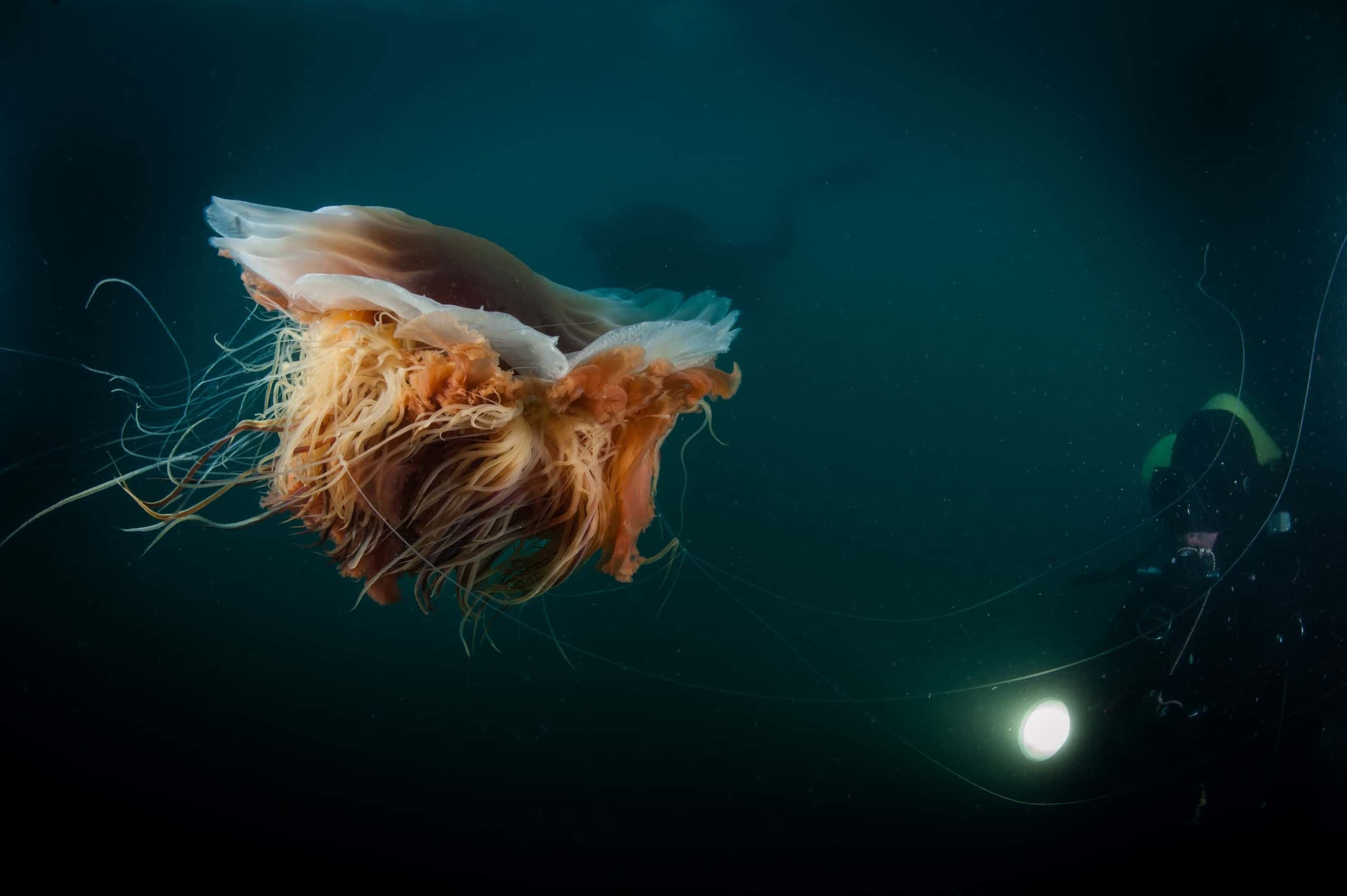
‑ Polar biodiversity, with observations of Arctic flora and fauna to better understand their richness, ecological roles and importance.
‑ Human physiology in extreme environments, through unique studies conducted with hyperbaric physicians to assess how the human body adapts to extremely cold water.
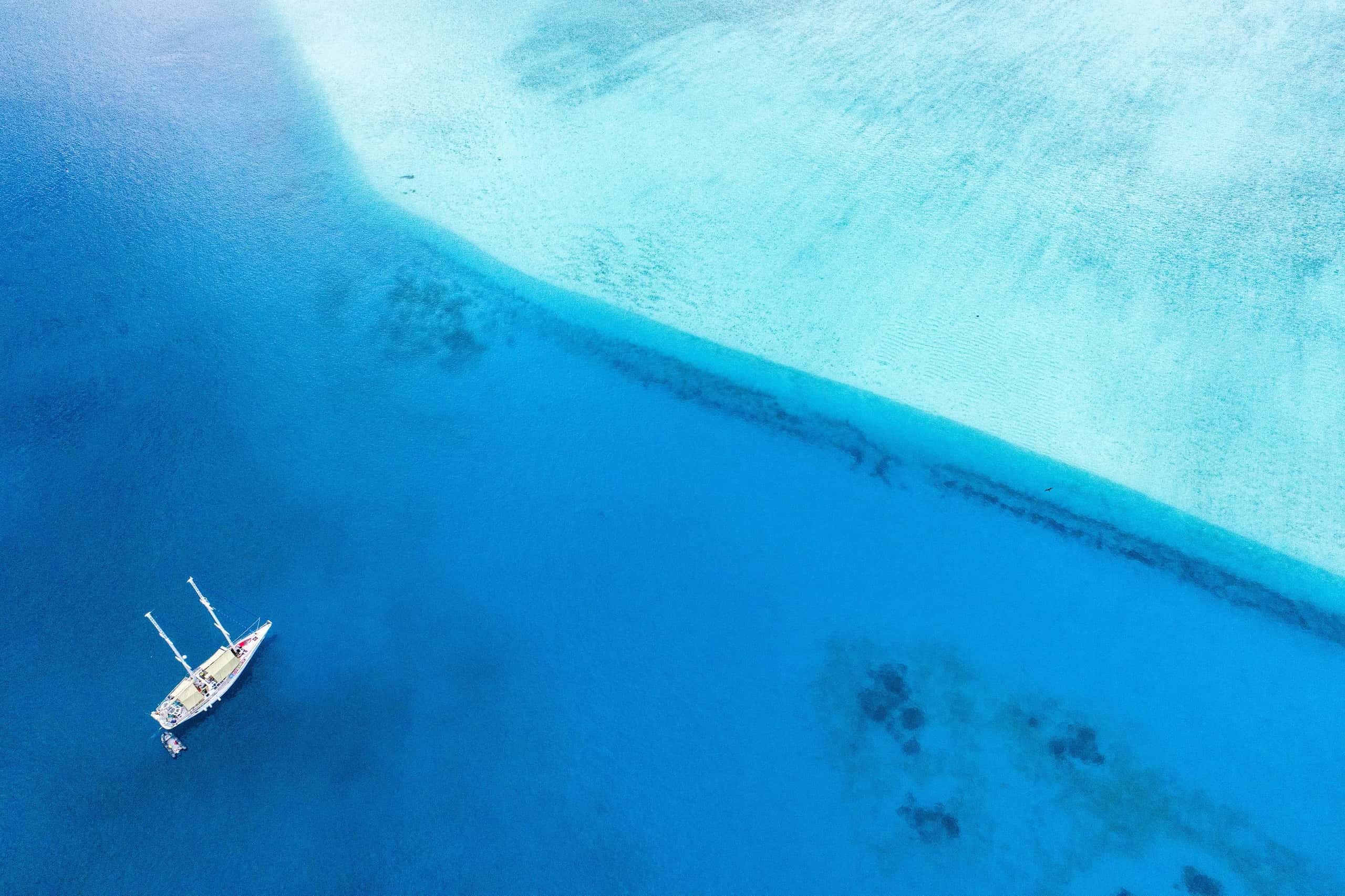
Under The Pole II in pictures
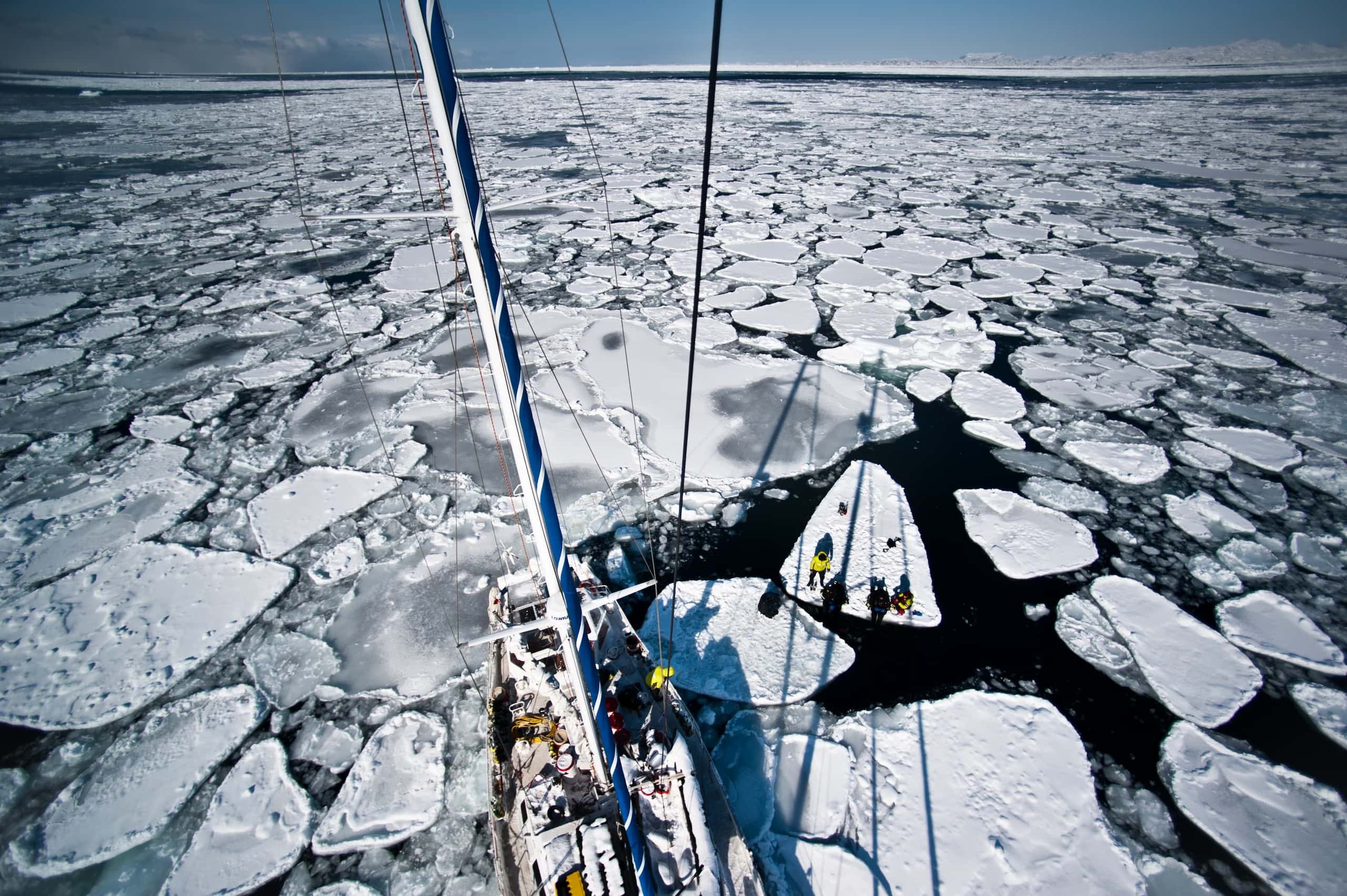
Under The Pole II ‑ Key Achievements
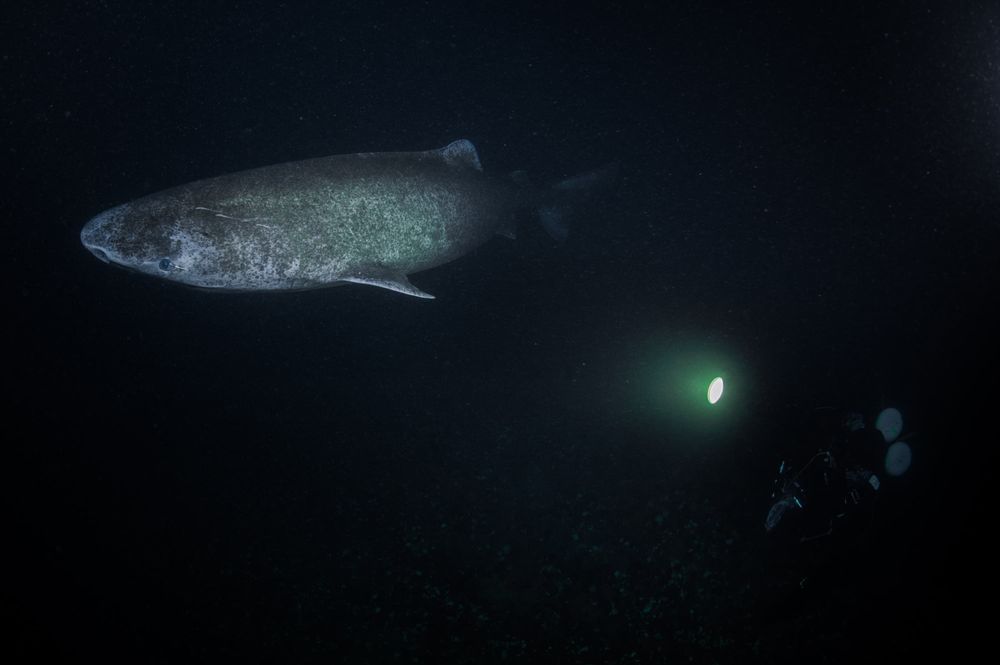
Science
Six programs conducted as far north as 80°N including unprecedented observations of the mysterious Greenland shark.
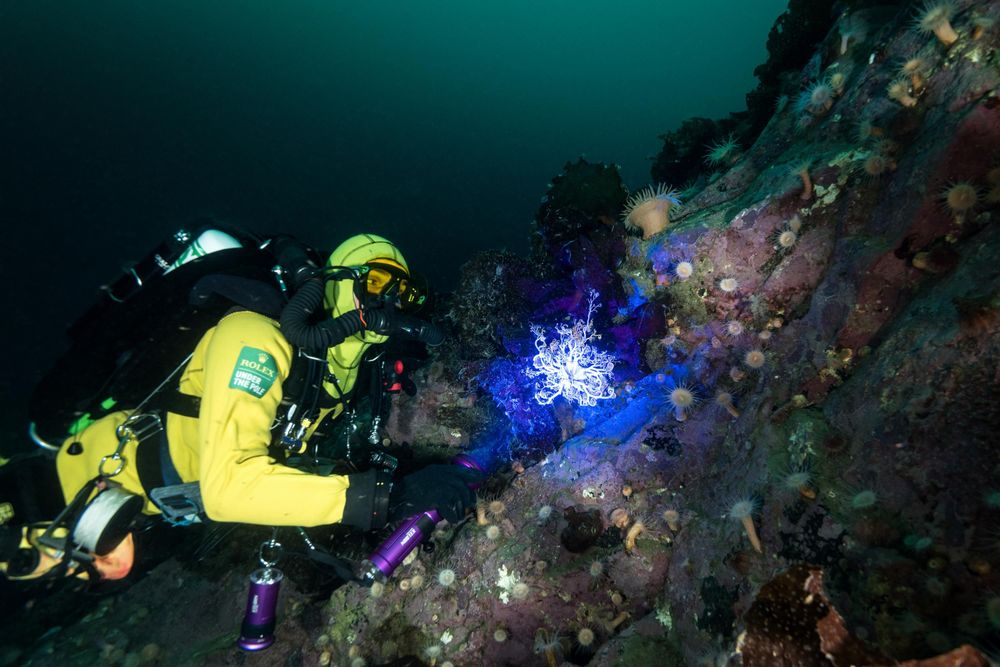
R&D
A world first : rebreather dives conducted under sea ice reaching depths of up to 112 meters.
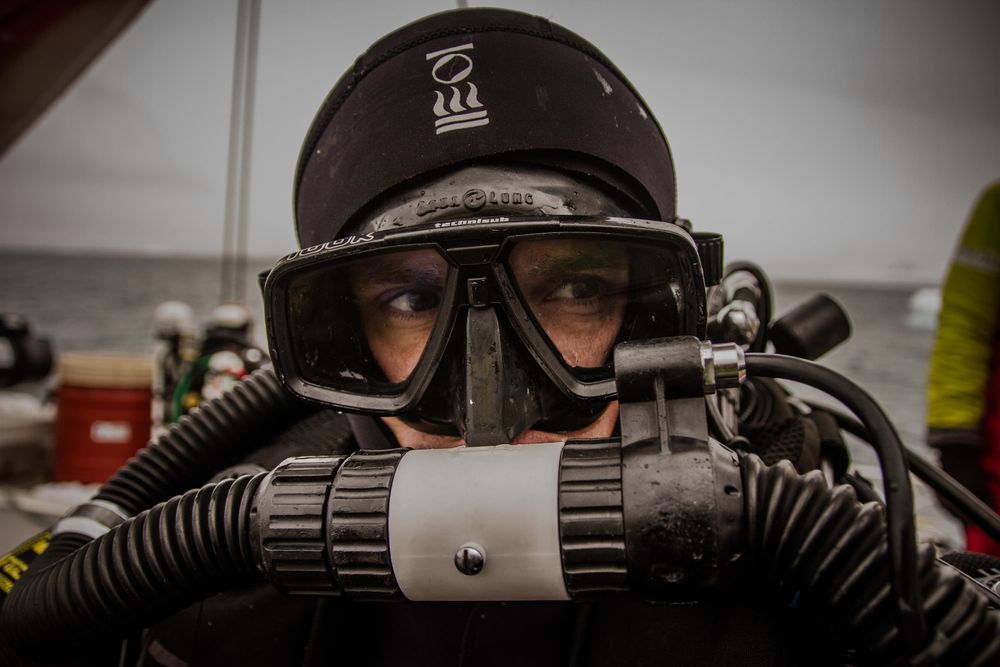
Documentary
Publication of a book by Éditions Ulmer and a documentary titled Under the Greenland Ice.
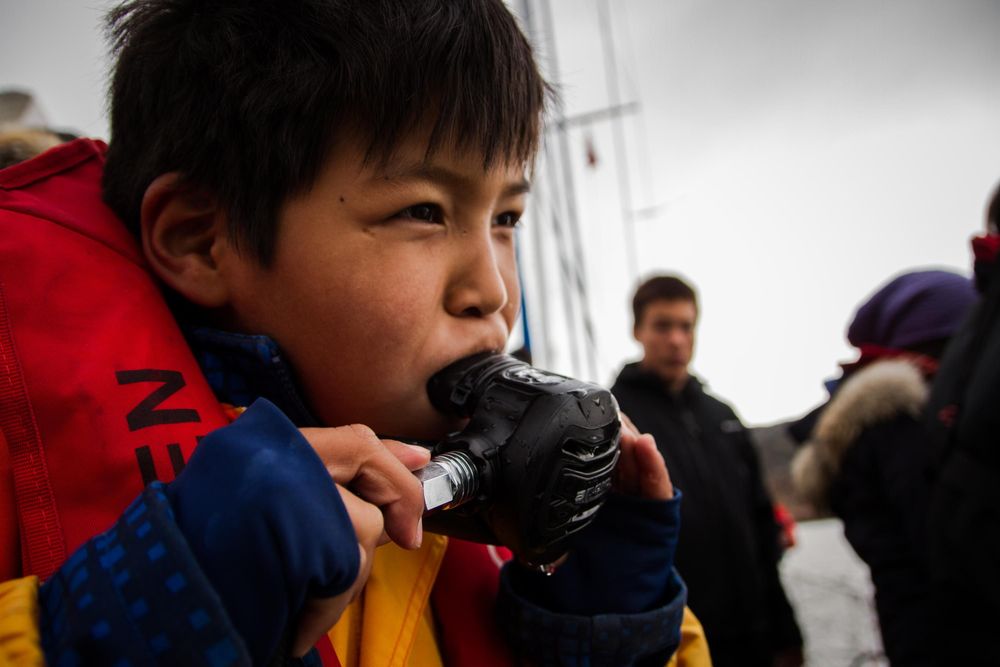
Education
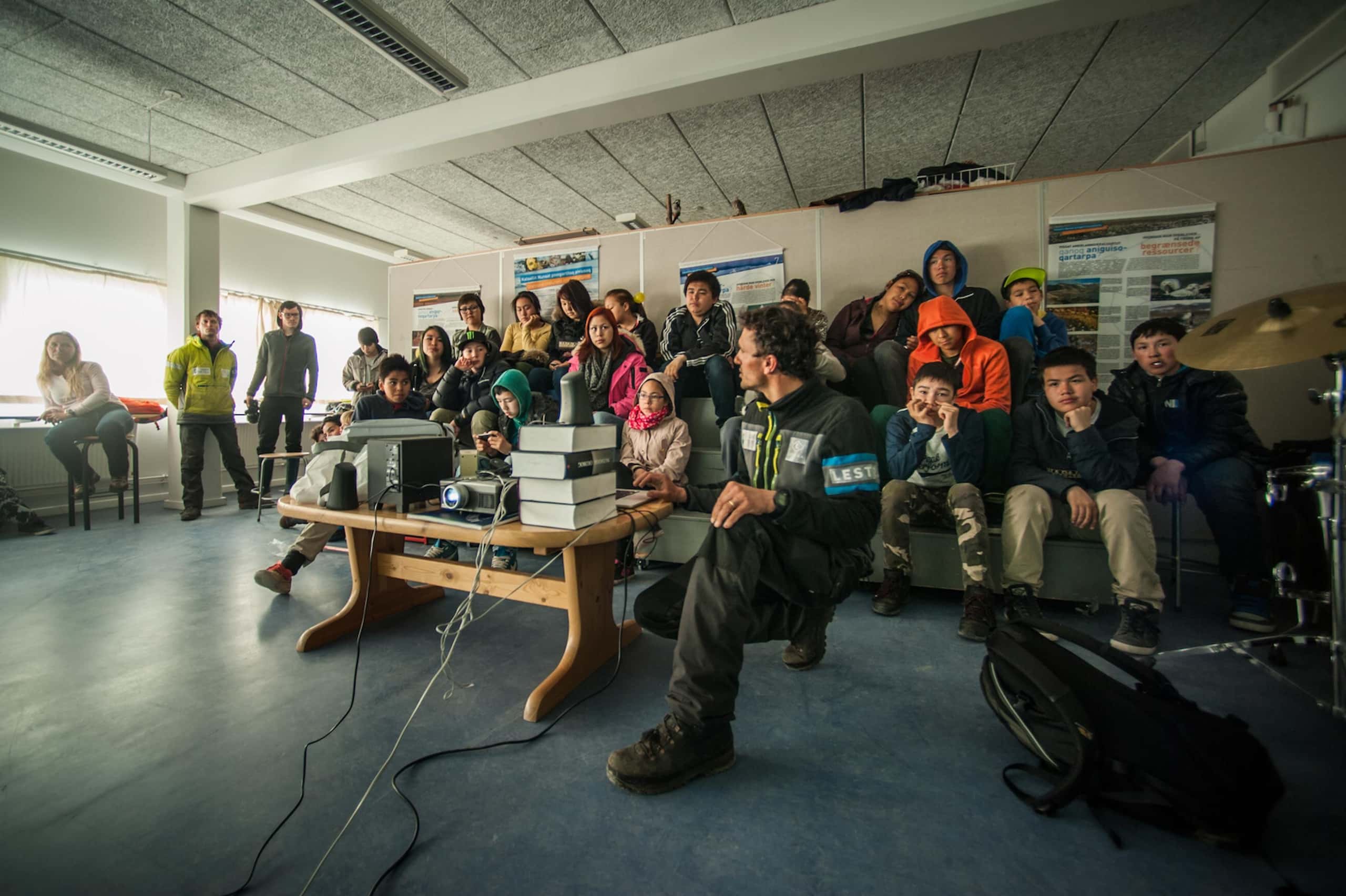
An expedition sponsored by the French Ministry of National Education with a real‑time educational program for French classrooms.
UTP I in Key Figures
- 21months of expeditions
- 300dives between 60°N and 80°N
- 52expedition members
- 20000kilometres sailed